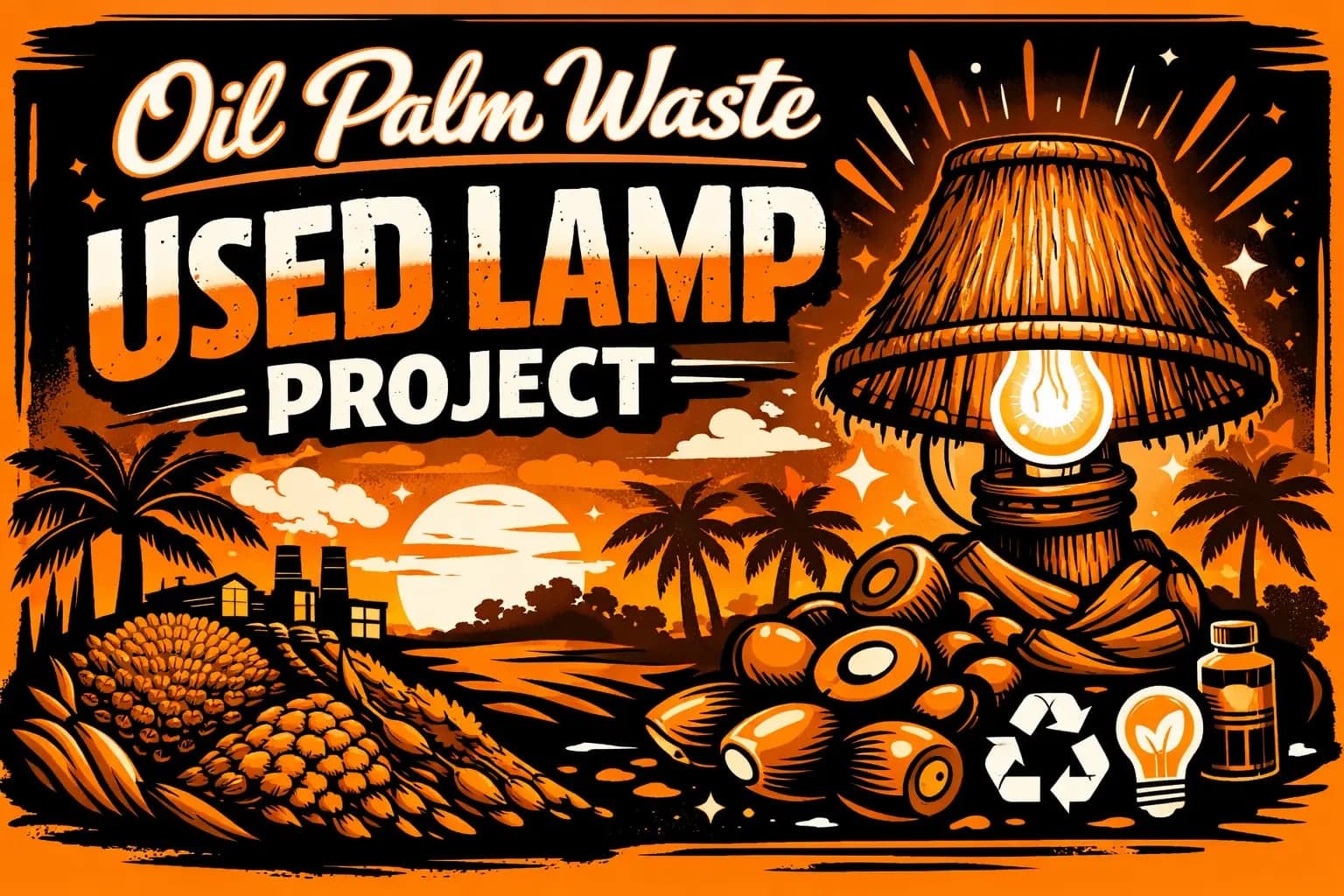
Discover how oil palm waste can be transformed into eco-friendly lamps in this innovative and sustainable project.
Introduction
In a world increasingly focused on sustainability and environmental responsibility, innovative projects that reuse waste materials are gaining attention. One such creative and impactful initiative is the Oil Palm Waste Used Lamp Project. This project transforms discarded oil palm waste into beautiful, functional lampsmerging environmental consciousness with design and practicality.
Oil palm industries generate massive amounts of waste, including empty fruit bunches, palm fronds, and shells. Rather than allowing these materials to contribute to pollution, they can be repurposed into useful products. This blog explores how oil palm waste can be converted into lamps, the benefits of doing so, and how you can create your own.
Understanding Oil Palm Waste
What is Oil Palm Waste?
Oil palm waste refers to the by-products generated during the cultivation and processing of oil palm trees. These include:
- Empty Fruit Bunches (EFB)
- Palm Kernel Shells (PKS)
- Palm Fronds
- Palm Fibers
- Trunks from old trees
These materials are often discarded or burned, contributing to environmental issues such as air pollution and greenhouse gas emissions.
Environmental Challenges
Improper disposal of oil palm waste can lead to:
- Soil degradation
- Water contamination
- Air pollution from burning
- Increased carbon footprint
By reusing this waste, we can reduce environmental harm and promote sustainable living.
Concept of the Oil Palm Waste Lamp Project
What is the Project About?
The Oil Palm Waste Used Lamp Project focuses on transforming agricultural waste into decorative and functional lighting solutions. The idea is to:
- Reduce waste
- Promote recycling and upcycling
- Encourage eco-friendly design
- Provide affordable lighting options
Why Lamps?
Lamps are an excellent product choice because they:
- Are widely used in homes and offices
- Offer design flexibility
- Can incorporate natural textures and materials
- Add aesthetic value to interiors
Materials Used in the Project
To create lamps from oil palm waste, you’ll need a combination of natural and electrical components.
Natural Materials
- Palm kernel shells
- Dried palm leaves
- Palm fibers
- Wood from palm trunks
Additional Materials
- LED bulbs
- Electrical wiring
- Lamp holders
- Adhesives (eco-friendly preferred)
- Protective coatings (varnish or resin)
Tools Required
- Cutting tools
- Sandpaper
- Drill machine
- Glue gun
- Safety gloves and goggles
Step-by-Step Process to Create an Oil Palm Waste Lamp
Step 1: Collect and Prepare Materials
Gather oil palm waste materials and clean them thoroughly. Remove dirt, moisture, and unwanted residues.
Tip: Dry the materials under sunlight to prevent mold growth.
Step 2: Design Planning
Sketch your lamp design. Decide on:
- Shape and size
- Type of lamp (table, floor, or hanging)
- Arrangement of materials
Step 3: Cutting and Shaping
Cut the materials into desired shapes. For example:
- Palm shells can be used as decorative outer layers
- Fibers can create texture
Smooth rough edges using sandpaper.
Step 4: Assembly
Assemble the components using adhesive or mechanical joints.
- Create the lamp base
- Attach decorative elements
- Ensure structural stability
Step 5: Electrical Installation
Install the electrical components:
- Fix the lamp holder
- Connect wiring safely
- Insert LED bulb
Safety Tip: Always test wiring before final assembly.
Step 6: Finishing
Apply protective coatings to:
- Enhance durability
- Improve appearance
- Protect against moisture
Design Ideas and Inspiration
Rustic Table Lamps
Use palm shells and wood pieces to create a rustic look suitable for living rooms.
Hanging Pendant Lamps
Dried palm leaves can be woven into beautiful hanging lamps for dining areas.
Modern Minimalist Lamps
Combine palm fibers with simple geometric shapes for a contemporary aesthetic.
Artistic Statement Pieces
Create unique designs that act as both lighting and art installations.
Benefits of Oil Palm Waste Lamps
Environmental Benefits
- Reduces agricultural waste
- Minimizes pollution
- Promotes recycling
Economic Benefits
- Low-cost raw materials
- Potential for small business opportunities
- Encourages local craftsmanship
Social Benefits
- Creates employment opportunities
- Promotes eco-awareness
- Supports sustainable communities
Aesthetic Value
- Unique designs
- Natural textures
- Customizable styles
Practical Tips for Success
Choose the Right Materials
- Use dry and clean waste materials
- Avoid weak or damaged pieces
Focus on Safety
- Ensure proper insulation of wires
- Use LED bulbs to reduce heat
Experiment with Designs
- Try different shapes and patterns
- Combine materials creatively
Maintain Quality
- Use strong adhesives
- Apply proper finishing
Sustainability Matters
- Use eco-friendly coatings
- Minimize additional waste
Challenges and Solutions
Challenge 1: Material Durability
Solution: Apply protective coatings and use strong structural designs.
Challenge 2: Electrical Safety
Solution: Follow proper wiring standards and test thoroughly.
Challenge 3: Design Limitations
Solution: Experiment with different combinations and techniques.
Challenge 4: Moisture Sensitivity
Solution: Ensure materials are completely dry and sealed.
Applications and Use Cases
Oil palm waste lamps can be used in various settings:
- Homes (living rooms, bedrooms)
- Restaurants and cafes
- Offices
- Hotels and resorts
- Outdoor spaces (with proper protection)
They are especially popular in eco-friendly and nature-themed interiors.
Future Potential of the Project
The Oil Palm Waste Used Lamp Project has significant potential for growth:
- Expansion into other products (furniture, decor)
- Integration with smart lighting technology
- Export opportunities for handmade products
- Collaboration with designers and architects
With increasing demand for sustainable products, this project can evolve into a thriving industry.
Conclusion
The Oil Palm Waste Used Lamp Project is a perfect example of how creativity and sustainability can come together to create something meaningful. By transforming agricultural waste into functional and beautiful lamps, we not only reduce environmental impact but also open doors to innovation and economic opportunities.
Whether you are a student, entrepreneur, or DIY enthusiast, this project offers a chance to contribute to a greener future while exploring your creative potential. Start small, experiment with designs, and be part of the movement toward sustainable living.
By embracing such eco-friendly initiatives, we take a step closer to a cleaner, more sustainable worldone lamp at a time.