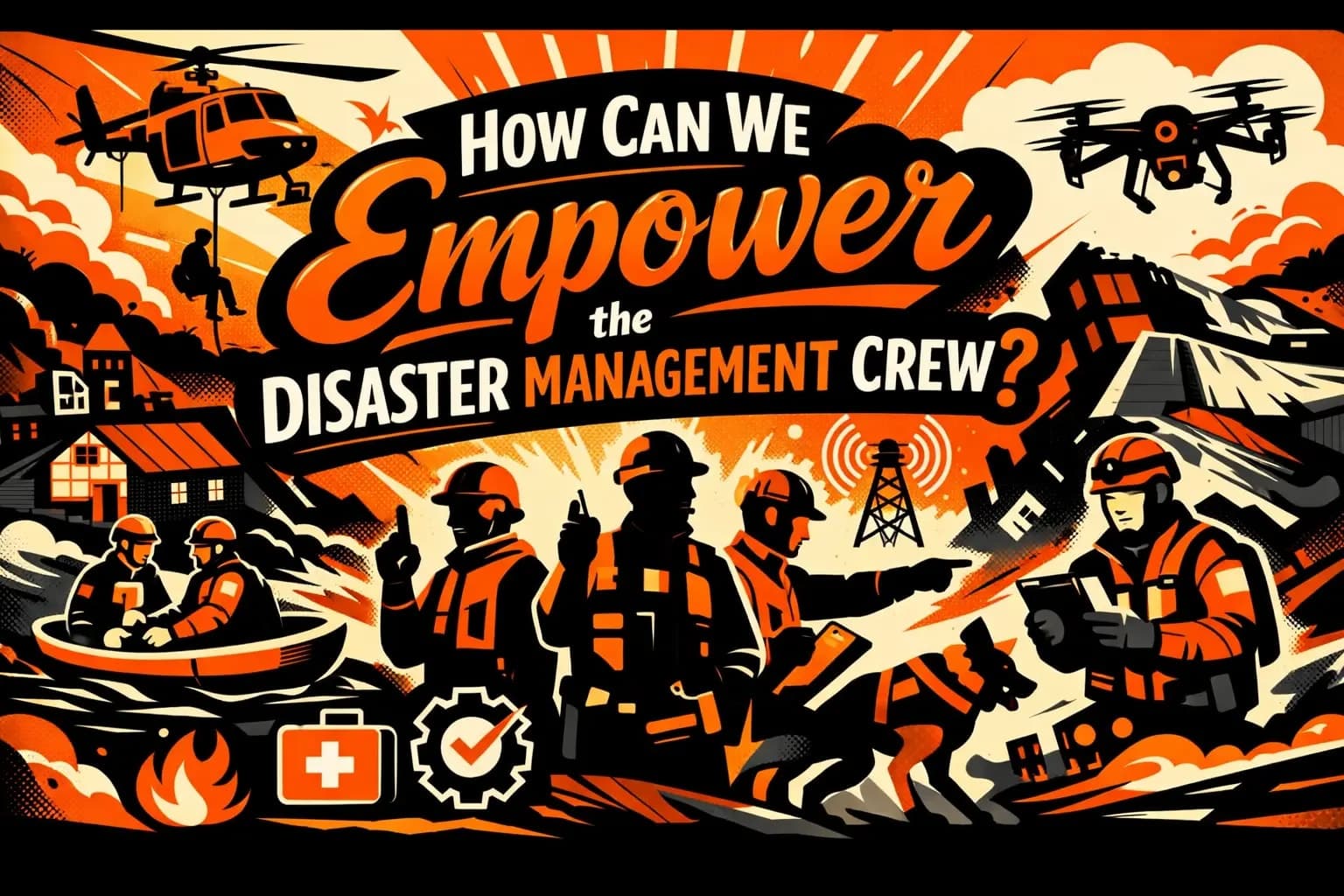
Discover practical strategies, tools, and leadership approaches to strengthen these critical teams.
Introduction
Disasterswhether natural or human-madeare unpredictable and often devastating. From earthquakes and floods to industrial accidents and pandemics, the role of disaster management crews is crucial in saving lives, protecting property, and restoring normalcy. However, the effectiveness of these crews depends heavily on how well they are empowered, equipped, and supported.
Empowering disaster management teams is not just about providing tools and resourcesit also involves training, leadership, mental resilience, and community collaboration. In this comprehensive guide, we will explore how to empower disaster management crews through strategic planning, modern technology, skill development, and psychological support.
Understanding Disaster Management Crews
Disaster management crews include a wide range of professionals such as:
- Emergency responders (firefighters, paramedics)
- Search and rescue teams
- Medical personnel
- Government agencies
- Volunteers and NGOs
Their responsibilities span across:
- Preparedness
- Response
- Recovery
- Mitigation
Empowerment ensures these teams can perform their duties efficiently under high-pressure situations.
Why Empowerment Matters
Empowered disaster management crews are more:
- Efficient in response times
- Resilient under stress
- Adaptable to changing conditions
- Collaborative with other agencies
Without proper empowerment, even well-trained teams can struggle due to lack of coordination, poor communication, or insufficient resources.
Key Strategies to Empower Disaster Management Crews
1. Comprehensive Training Programs
Training is the backbone of any disaster response system.
Essential Training Areas:
- Emergency response drills
- First aid and medical care
- Search and rescue techniques
- Crisis communication
- Use of modern equipment
Practical Example:
Regular simulation exercises for earthquake scenarios can help teams react faster and more effectively during real events.
Tips:
- Conduct monthly drills
- Use real-life case studies
- Incorporate cross-agency training
2. Access to Modern Technology
Technology significantly enhances disaster response capabilities.
Important Tools:
- Drones for aerial surveillance
- GPS tracking systems
- Disaster management software
- Mobile communication apps
Benefits:
- Faster decision-making
- Real-time data sharing
- Improved coordination
Example:
Using drones to locate stranded victims during floods reduces rescue time and increases survival rates.
3. Strong Leadership and Decision-Making
Leadership plays a critical role in empowering teams.
Characteristics of Effective Leaders:
- Clear communication
- Quick decision-making
- Emotional intelligence
- Accountability
Leadership Strategies:
- Establish a clear chain of command
- Encourage team input
- Provide constructive feedback
4. Psychological Support and Mental Health Care
Disaster response is emotionally taxing. Teams often witness traumatic events, which can lead to burnout or PTSD.
Support Measures:
- Counseling services
- Stress management workshops
- Peer support groups
Practical Tip:
Implement mandatory debriefing sessions after major operations to allow team members to process their experiences.
5. Adequate Resources and Equipment
Even the best teams cannot function without proper resources.
Essential Resources:
- Protective gear
- Medical supplies
- Transportation vehicles
- Communication devices
Tips:
- Conduct regular equipment checks
- Maintain backup supplies
- Ensure accessibility in remote areas
6. Community Engagement and Awareness
Empowering disaster crews also involves educating the community.
Why It Matters:
- Reduces panic during disasters
- Encourages cooperation
- Enhances early warning systems
Strategies:
- Conduct public awareness campaigns
- Train community volunteers
- Use social media for updates
7. Inter-Agency Collaboration
Disasters require coordinated efforts from multiple organizations.
Key Benefits:
- Resource sharing
- Improved communication
- Faster response times
Example:
Collaboration between medical teams and rescue units ensures victims receive immediate care.
8. Continuous Learning and Improvement
Disaster management is an evolving field.
Methods:
- Post-disaster evaluations
- Feedback collection
- Adoption of global best practices
Tip:
Create a knowledge-sharing platform for teams to learn from past experiences.
Role of Government and Policy Makers
Governments play a vital role in empowering disaster management crews.
Key Responsibilities:
- Funding and resource allocation
- Policy development
- Infrastructure improvement
- Training programs
Policy Recommendations:
- Establish national disaster management frameworks
- Invest in early warning systems
- Support research and innovation
Importance of Communication Systems
Communication is critical during emergencies.
Effective Communication Includes:
- Real-time updates
- Clear instructions
- Reliable communication channels
Tools:
- Radio systems
- Satellite phones
- Mobile apps
Tip:
Always have backup communication systems in case of network failure.
Challenges in Empowering Disaster Management Crews
Despite efforts, several challenges exist:
- Limited funding
- Lack of trained personnel
- Poor infrastructure
- Communication barriers
- High stress levels
Solutions:
- Increase budget allocation
- Invest in training programs
- Upgrade infrastructure
- Promote mental health awareness
Real-World Example
Consider a flood response scenario:
Before Empowerment:
- Delayed response
- Poor coordination
- Limited rescue success
After Empowerment:
- Quick deployment
- Effective communication
- Higher survival rates
This demonstrates how empowerment directly impacts outcomes.
Practical Tips for Immediate Implementation
- Conduct weekly team briefings
- Use digital tools for coordination
- Provide mental health support
- Encourage teamwork and trust
- Regularly update emergency plans
Future of Disaster Management Empowerment
The future lies in:
- Artificial Intelligence for prediction
- Advanced robotics for rescue missions
- Smart cities with built-in disaster systems
- Global collaboration
These innovations will further strengthen disaster response capabilities.
Conclusion
Empowering disaster management crews is not a one-time effortit is an ongoing process that requires commitment, investment, and innovation. By focusing on training, technology, leadership, mental health, and collaboration, we can build stronger and more effective disaster response systems.
In a world where disasters are becoming more frequent and severe, empowering these teams is not just importantit is essential. With the right strategies in place, disaster management crews can save more lives, reduce damage, and help communities recover faster.
By implementing the strategies outlined in this guide, organizations and governments can ensure their disaster management teams are fully prepared to مواجهة any crisis with confidence and efficiency.