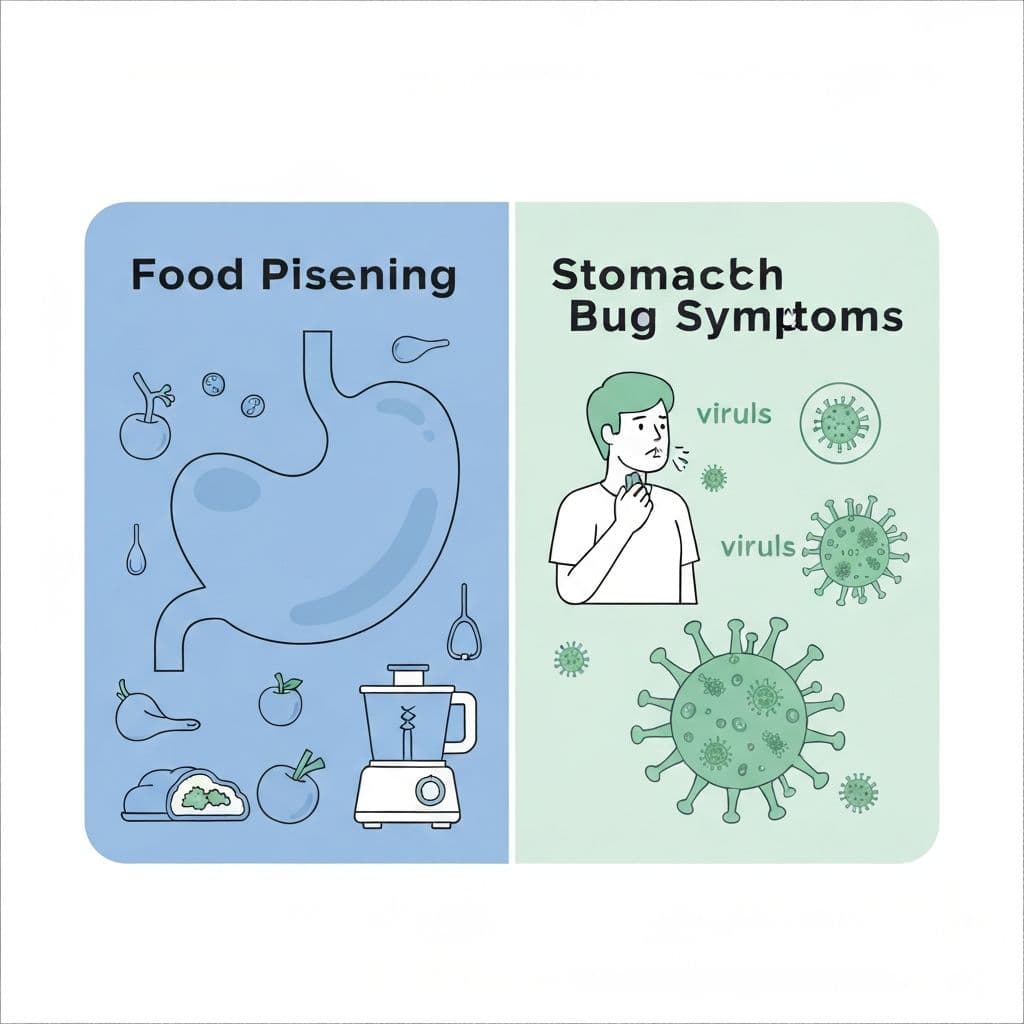
Discover the key differences between food poisoning and stomach bugs. Learn causes, symptoms, duration, and treatment for each digestive illness.
Food Poisoning Vs Stomach Bug: Understanding the Differences
When you experience sudden nausea, vomiting, and abdominal discomfort, you might wonder: do I have food poisoning or a stomach bug? While both conditions share similar symptoms and affect your digestive system, they have distinct causes, timelines, and treatment approaches. Understanding the differences between food poisoning and stomach bugs can help you manage your symptoms more effectively and know when to seek medical attention.
The confusion between food poisoning and stomach bugs is understandable because both cause similar gastrointestinal distress. However, the underlying causes are fundamentally different. Food poisoning results from consuming contaminated food or beverages, while a stomach bug is an infection caused by a virus or bacterium that spreads from person to person. Knowing which condition you have can help you recover faster and prevent spreading illness to others.
Table of Contents
- What Is Food Poisoning?
- What Is a Stomach Bug?
- Key Differences Between Them
- Symptoms Comparison
- Duration and Recovery
- Treatment Options
- Prevention Strategies
- When to See a Doctor
- FAQs
- Conclusion
What Is Food Poisoning?
Food poisoning occurs when you ingest food or water contaminated with harmful pathogens, toxins, or chemicals. This condition is triggered by specific foods rather than spreading through person-to-person contact. Common culprits include undercooked poultry, unpasteurized dairy products, unwashed vegetables, and seafood from contaminated waters.
Types of Food Poisoning Organisms
Bacterial contamination is the most common cause of food poisoning. The primary bacteria responsible include:
- Salmonella: Found in raw eggs, poultry, and unpasteurized dairy
- E. coli: Present in undercooked beef and contaminated vegetables
- Listeria: Common in deli meats, soft cheeses, and unpasteurized products
- Campylobacter: Found in raw or undercooked poultry
- Staphylococcus aureus: Transferred through improper food handling
Viral contamination can also cause food poisoning, particularly through:
- Hepatitis A virus in shellfish
- Norovirus in various foods
- Rotavirus in contaminated water
Chemical and natural toxins include:
- Mushroom toxins from poisonous varieties
- Pesticide residues on produce
- Marine biotoxins in shellfish
- Histamines in spoiled fish
Onset and Timeline
Food poisoning typically develops quickly after consuming contaminated food. Most cases appear within 1 to 6 hours, though some can take up to 72 hours depending on the pathogen. This rapid onset is a key distinguishing factor from stomach bugs.
What Is a Stomach Bug?
A stomach bug, medically known as viral or bacterial gastroenteritis, is an infection of the stomach and intestines caused by contagious microorganisms. Unlike food poisoning, stomach bugs spread from person to person through contact, contaminated surfaces, or airborne particles. Common viruses causing stomach bugs include norovirus, rotavirus, and enteroviruses.
Common Stomach Bug Pathogens
Viral stomach bugs are more common than bacterial ones and include:
- Norovirus: Highly contagious, spreads rapidly in enclosed spaces
- Rotavirus: Often affects children but can infect adults
- Enteroviruses: Various strains causing gastrointestinal symptoms
- Coronavirus: Some strains cause gastrointestinal symptoms
Bacterial stomach bugs include:
- Campylobacter jejuni: Causes severe abdominal pain
- Shigella: Spreads easily in crowded environments
- Giardia lamblia: Common in contaminated water sources
- Clostridium difficile: Often develops after antibiotic use
Contagious Nature
Stomach bugs are highly contagious. You can catch them by:
- Touching contaminated surfaces then touching your face
- Consuming food prepared by an infected person
- Close contact with sick individuals
- Sharing utensils or drinking glasses
- Breathing in airborne particles from vomit or diarrhea
Key Differences Between Food Poisoning and Stomach Bug
Cause and Source
Food Poisoning: Results from consuming contaminated food or beverages. The illness originates from a specific meal or food source, not from person-to-person transmission.
Stomach Bug: An infection transmitted through contagion. You catch it from another person or contaminated surfaces in public spaces.
Onset Timeline
Food Poisoning: Symptoms appear rapidly, typically within 1 to 6 hours of consuming contaminated food. Some bacterial strains take up to 72 hours.
Stomach Bug: Usually has a longer incubation period of 1 to 3 days before symptoms manifest. This delayed onset reflects how infections develop in your body.
Contagiousness
Food Poisoning: Generally not contagious. One person ate the contaminated food; others who ate different items typically remain unaffected.
Stomach Bug: Highly contagious. Multiple people in close contact often develop symptoms within days of each other.
Duration
Food Poisoning: Usually resolves within 24 to 48 hours as your body eliminates the contaminant.
Stomach Bug: Typically lasts 1 to 10 days, depending on the causative organism and immune response.
Symptoms Comparison
Common Symptoms in Both Conditions
Both food poisoning and stomach bugs cause:
- Nausea and vomiting
- Abdominal cramps
- Diarrhea
- Loss of appetite
- General malaise
Distinguishing Symptoms
Food Poisoning specifically includes:
- Severe cramping pain
- Explosive diarrhea (sometimes bloody)
- Quick symptom onset
- Fever (variable, depends on pathogen)
- Symptoms typically concentrate in the intestines
Stomach Bug specifically includes:
- Fever (more common than food poisoning)
- Body aches and fatigue
- Headache
- Chills
- Slower symptom progression
- Symptoms affecting both stomach and intestines
Severity Indicators
Severe symptoms in either condition include:
- Persistent high fever above 103°F (39.4°C)
- Blood in vomit or stool
- Signs of severe dehydration
- Symptoms lasting more than a week
- Extreme abdominal pain
Duration and Recovery Timeline
Food Poisoning Recovery
Most food poisoning cases follow this timeline:
Hours 0-2: Rapid onset of symptoms
Hours 2-8: Peak symptom intensity with frequent vomiting and diarrhea
Hours 8-24: Gradual symptom improvement as your body expels the contaminant
Day 2: Most symptoms resolve, though weakness may persist
Days 3-7: Full recovery with normal digestion restored
Some severe cases from particularly virulent organisms may last longer, but most food poisoning victims feel significantly better within 48 hours.
Stomach Bug Recovery
Viral and bacterial gastroenteritis typically follows this progression:
Days 1-2: Symptom onset and initial illness phase
Days 3-5: Peak symptoms with high fever and intense discomfort
Days 6-7: Gradual improvement
Days 8-10: Complete recovery
Stomach bugs last longer because your immune system must eliminate the infection, not just remove a contaminant.
Treatment Options
Treating Food Poisoning
Self-care measures:
- Rest: Allow your body to recover by limiting activities
- Hydration: Drink clear fluids like water, broth, or electrolyte solutions
- Dietary adjustments: Start with bland foods like crackers, toast, or rice
- Avoid certain foods: Skip dairy, fatty foods, and fiber initially
- Monitor symptoms: Track duration and severity
When to seek medical help:
- Symptoms lasting more than 3 days
- Severe dehydration signs
- Blood in stool or vomit
- High fever (above 102°F)
- Severe abdominal pain
- Symptoms in young children, elderly, or immunocompromised individuals
Treating a Stomach Bug
Self-care approaches:
- Hydration management: Use oral rehydration solutions containing electrolytes
- Rest: Allow your immune system to fight the infection
- Gradual food reintroduction: Start bland, progress to normal foods
- Isolation: Limit contact with others to prevent spreading
- Over-the-counter medications: Antidiarrheal agents may help (avoid with high fever)
Medical intervention:
Doctors may prescribe:
- Antiemetics to reduce nausea
- Antibiotics for bacterial infections
- Antiviral medications in specific cases
- IV fluids for severe dehydration
Prevention Strategies
Preventing Food Poisoning
Safe food handling practices:
- Cook thoroughly: Use food thermometers to ensure proper internal temperatures
- Refrigerate promptly: Don't leave cooked food at room temperature
- Wash produce: Rinse vegetables and fruits under running water
- Avoid cross-contamination: Use separate cutting boards for raw meat
- Practice hand hygiene: Wash hands frequently while cooking
- Check expiration dates: Discard expired products
- Avoid risky foods: Be cautious with raw eggs, unpasteurized dairy, and undercooked meat
Preventing Stomach Bugs
Contagion prevention techniques:
- Hand washing: Regular handwashing is your best defense
- Avoid sick individuals: Maintain distance from people showing symptoms
- Disinfect surfaces: Clean frequently touched areas regularly
- Don't share personal items: Keep utensils, towels, and toothbrushes separate
- Vaccine consideration: Rotavirus vaccines prevent specific stomach bugs
- Food safety: Ensure foods are properly prepared by healthy individuals
- Proper sanitation: Ensure bathrooms are clean and well-maintained
When to See a Doctor
Seek immediate medical attention if you experience:
- Severe dehydration symptoms: extreme thirst, dry mouth, dizziness
- Blood in vomit or stool
- Fever above 104°F (40°C)
- Severe abdominal pain unrelieved by rest
- Persistent vomiting preventing fluid intake
- Signs of shock: confusion, rapid heartbeat, shallow breathing
- Symptoms lasting more than 10 days
- Recent antibiotic use followed by severe diarrhea
Contact your doctor if symptoms include:
- Mild to moderate fever lasting 3+ days
- Diarrhea without improvement after 48 hours
- Inability to keep fluids down
- Severe fatigue affecting daily function
- Symptoms in young children, elderly, or pregnant individuals
- Immunocompromised status with gastrointestinal symptoms
FAQs
Q: Can food poisoning be contagious?
A: Typically no. However, if you handle food while sick, you can transfer illness to others. Practice good hygiene if you've had food poisoning.
Q: How do I know if I have food poisoning or a stomach bug?
A: Consider the timeline. Rapid onset (1-6 hours) after eating suggests food poisoning. Slower onset (1-3 days) without a clear food source suggests a stomach bug.
Q: Is vomiting normal with both conditions?
A: Yes. Both food poisoning and stomach bugs commonly cause vomiting as your body attempts to eliminate harmful substances or fight infection.
Q: Should I take antibiotics for a stomach bug?
A: Only if prescribed by a doctor for bacterial infections. Viral stomach bugs don't respond to antibiotics.
Q: When is fever more likelyfood poisoning or stomach bug?
A: Fever is more common with stomach bugs as your immune system fights infection. Food poisoning may cause fever depending on the organism.
Q: How long should I wait before eating solid foods?
A: Start solid foods when nausea subsides. Begin with bland options like toast or crackers, progressing to normal foods over 2-3 days.
Conclusion
While food poisoning and stomach bugs share overlapping symptoms and both affect your digestive system, understanding their differences helps you manage illness effectively. Food poisoning results from contaminated food with rapid symptom onset and shorter duration, while stomach bugs are contagious infections with delayed onset and longer recovery times. The key to distinguishing between them lies in considering the timeline, contagiousness, and severity of symptoms.
Recovery from either condition primarily involves staying hydrated, resting, and gradually reintroducing normal foods. Most cases resolve naturally within days. However, persistent symptoms, severe dehydration, or concerning signs warrant medical attention.
By practicing proper food safety and maintaining good hygiene, you can significantly reduce your risk of experiencing either food poisoning or stomach bugs. Remember to wash hands frequently, cook food properly, store leftovers safely, and avoid close contact with sick individuals. When illness does strike, knowing whether you have food poisoning or a stomach bug empowers you to take appropriate action for faster recovery.