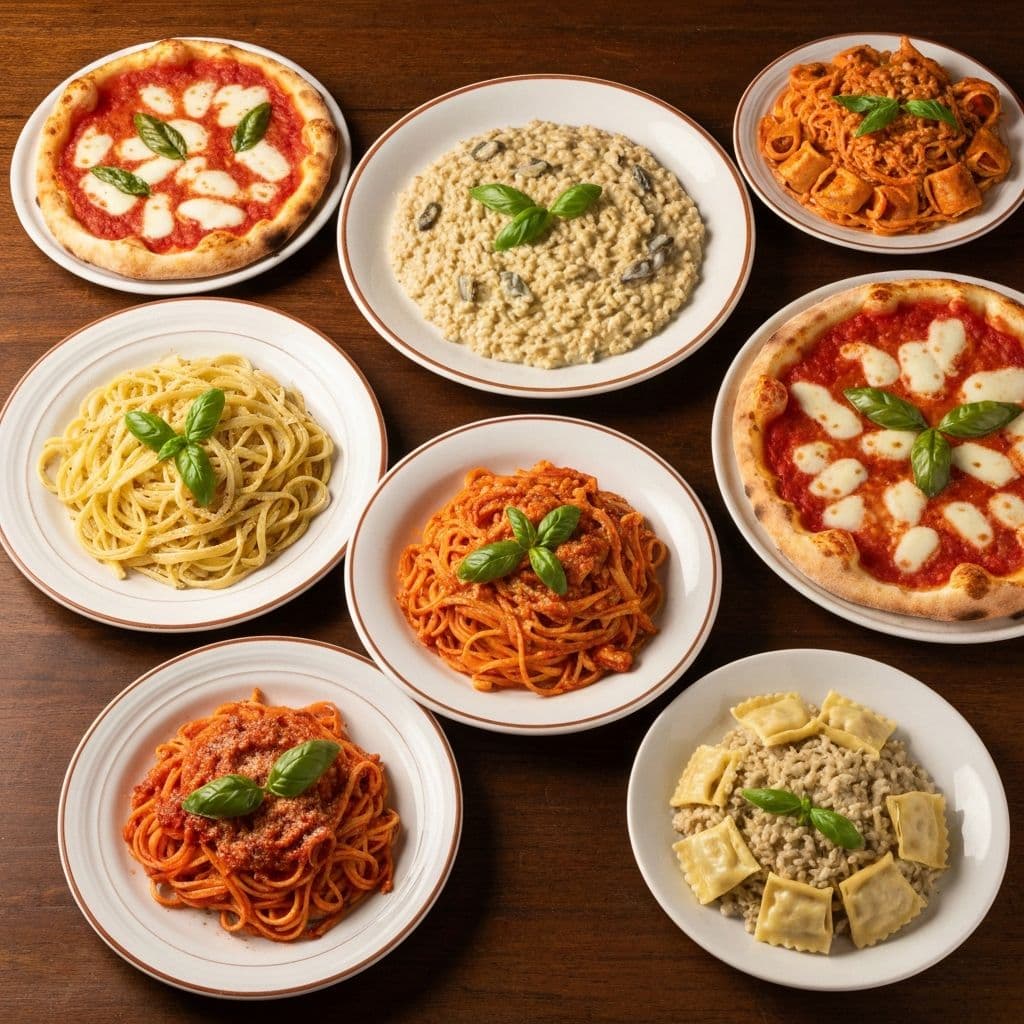
Discover how Italian cuisine is best identified by individual regions, from pasta and pizza to wines, cheeses, and authentic local traditions.
However Italian Cuisine Is Best Identified By Individual Regions.
Introduction
However Italian cuisine is best identified by individual regions because every area of Italy has its own history, ingredients, cooking methods, and food traditions. While many people think of Italian food as one style of cuisine, the reality is far more diverse. Northern Italy offers creamy risottos, butter-based sauces, and alpine cheeses, while Southern Italy is famous for tomatoes, olive oil, seafood, and bold Mediterranean flavors.
This regional diversity is what makes Italian cuisine one of the most respected and loved food cultures in the world. Understanding these local differences helps travelers, home cooks, and food lovers appreciate authentic Italian dishes beyond pizza and pasta stereotypes.
Table of Contents
- Why Regional Identity Defines Italian Cuisine
- Northern Italy Food Traditions
- Central Italy Culinary Heritage
- Southern Italy Flavor Profiles
- Island Regions: Sicily and Sardinia
- Why Geography Shapes Italian Food
- Popular Regional Italian Dishes
- Tips for Cooking Authentic Regional Italian Food
- FAQs
- Conclusion
Why Regional Identity Defines Italian Cuisine
Italy was unified as a country in the 19th century, but its cities and regions had distinct identities for centuries before that. Because of this, recipes evolved locally rather than nationally.
Key Reasons Regional Food Matters
- Different climates support different crops.
- Coastal regions rely on seafood.
- Mountain regions favor meat, dairy, and preserved foods.
- Trade routes introduced spices and new ingredients.
- Families preserved local recipes over generations.
This is why however Italian cuisine is best identified by individual regions rather than a single national menu.
Northern Italy Food Traditions
Northern Italy includes Lombardy, Piedmont, Veneto, Liguria, Emilia-Romagna, and more. Cooler weather and fertile plains influence rich, hearty dishes.
Signature Ingredients
- Butter instead of olive oil in many dishes
- Rice for risotto n- Polenta
- Mushrooms and truffles
- Parmigiano Reggiano cheese
- Prosciutto and cured meats
Famous Northern Dishes
- Risotto alla Milanese from Lombardy
- Polenta with meats or cheese
- Pesto Genovese from Liguria
- Lasagna from Emilia-Romagna
- Vitello Tonnato from Piedmont
Example
If you eat in Milan, you may receive saffron risotto. In Genoa, basil pesto dominates menus. This shows how nearby cities still maintain separate culinary identities.
Central Italy Culinary Heritage
Central Italy includes Tuscany, Lazio, Umbria, and Marche. The cuisine balances simplicity with bold flavor.
Signature Ingredients
- Olive oil
- Pecorino cheese
- Beans and lentils
- Wild boar
- Bread without salt (common in Tuscany)
- Fresh herbs
Famous Central Italian Dishes
- Ribollita (Tuscan vegetable soup)
- Bistecca alla Fiorentina
- Pasta Carbonara from Rome
- Cacio e Pepe
- Porchetta
Why It Stands Out
Central Italian cooking often uses fewer ingredients but focuses on quality. A simple pasta with cheese and pepper can become world-class when made correctly.
Southern Italy Flavor Profiles
Southern Italy includes Campania, Calabria, Puglia, Basilicata, and more. Sunny weather creates ideal conditions for tomatoes, olives, citrus fruits, and vegetables.
Signature Ingredients
- Tomatoes
- Olive oil
- Garlic
- Eggplant
- Chili peppers
- Mozzarella
- Seafood
Famous Southern Dishes
- Neapolitan pizza from Naples
- Pasta alla Norma from Sicily-inspired southern styles
- Orecchiette with broccoli rabe from Puglia
- Spicy Calabrian sausage
- Seafood pasta dishes
Example
Naples is considered the birthplace of pizza, but Puglia focuses more on handmade pasta and olive oil. Calabria brings spicy heat rarely found in northern regions.
Island Regions: Sicily and Sardinia
Italian islands have food cultures shaped by trade, conquest, and geography.
Sicily
Sicily blends Arab, Greek, Spanish, and Italian influences.
Popular foods include:
- Arancini
- Cannoli
- Caponata
- Swordfish dishes
- Citrus desserts
Sardinia
Sardinia emphasizes shepherd traditions and rustic cooking.
Popular foods include:
- Pane carasau
- Roasted lamb
- Pecorino sardo
- Seafood stews
- Handmade pasta like malloreddus
Why Geography Shapes Italian Food
Geography is one of the biggest reasons however Italian cuisine is best identified by individual regions.
Mountains
Mountain communities needed preserved meats, cheese, and filling grains.
Coastlines
Fishing communities relied on anchovies, mussels, tuna, and shellfish.
Fertile Plains
These areas supported wheat, vegetables, and dairy farming.
Warm Southern Climate
Perfect for tomatoes, olives, lemons, and grapes.
Popular Regional Italian Dishes
| Region | Famous Dish | Main Ingredients |
|---|---|---|
| Lombardy | Risotto alla Milanese | Rice, saffron |
| Tuscany | Ribollita | Bread, beans, vegetables |
| Lazio | Carbonara | Pasta, eggs, cheese |
| Campania | Pizza Napoletana | Dough, tomato, mozzarella |
| Puglia | Orecchiette | Pasta, greens |
| Sicily | Arancini | Rice, filling |
Tips for Cooking Authentic Regional Italian Food
1. Use Local Ingredients When Possible
Fresh tomatoes, olive oil, basil, and real cheeses make a huge difference.
2. Keep Recipes Simple
Italian cooking values quality over complexity.
3. Learn Region by Region
Choose one region at a time and master its classics.
4. Respect Traditional Methods
Slow sauces, handmade pasta, and proper baking techniques matter.
5. Pair Food with Regional Wines
Try Chianti with Tuscan dishes or Prosecco with Veneto meals.
FAQs
Is Italian cuisine the same across Italy?
No. Each region has its own recipes, ingredients, and traditions.
Why is Northern Italian food richer?
Cooler climates and dairy farming led to more butter, cheese, and hearty meals.
Why is Southern Italian food tomato-based?
Warmer climates support tomato farming, olive trees, and Mediterranean produce.
Which region has the best Italian food?
There is no single best region. It depends on whether you prefer seafood, pasta, meat, cheese, or desserts.
Is pizza eaten everywhere in Italy?
Yes, but Naples is most famous for authentic traditional pizza.
Conclusion
However Italian cuisine is best identified by individual regions because Italy’s food culture is built on local ingredients, history, climate, and tradition. From the creamy risottos of the north to the tomato-rich dishes of the south and the multicultural flavors of Sicily, every region offers something unique. Exploring Italian cuisine region by region is the best way to experience authentic flavors and understand why Italy remains one of the world’s culinary leaders.