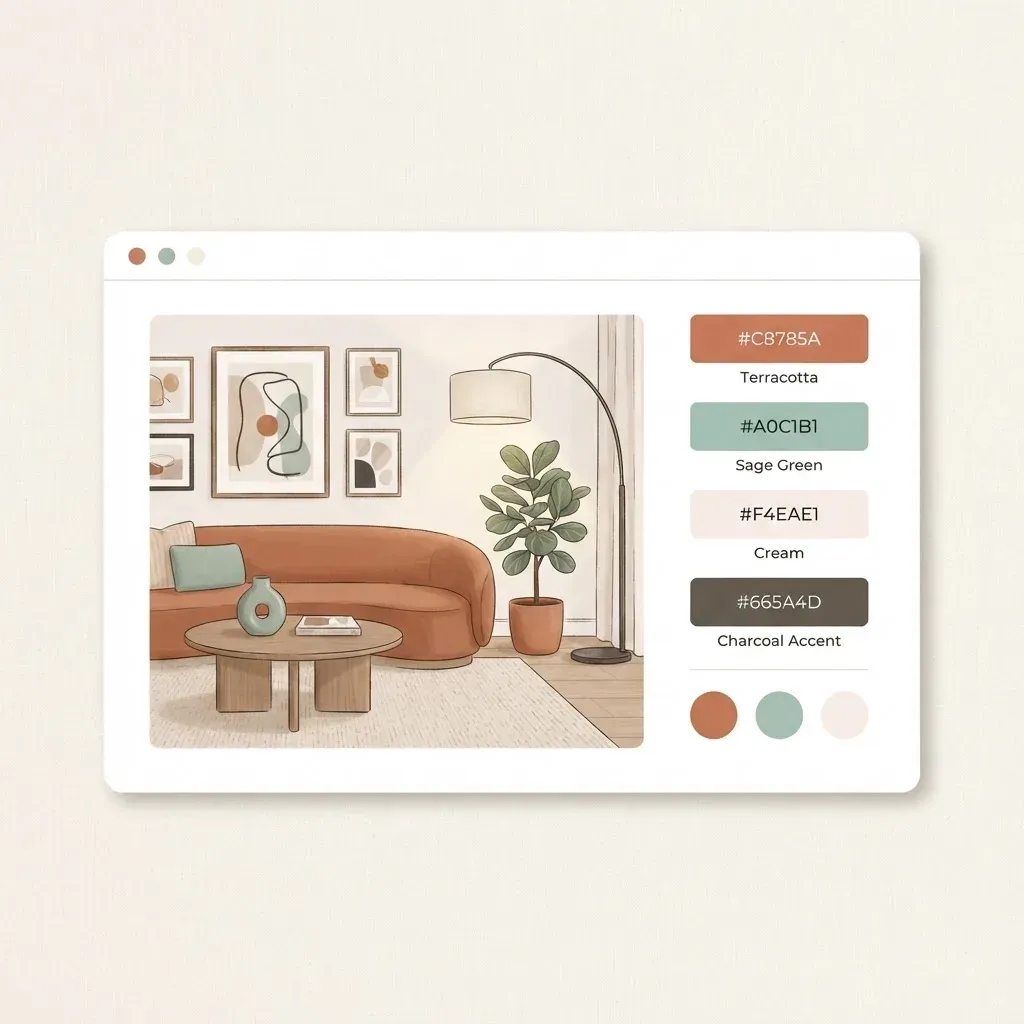
A complete guide to brand and web design for interior designers: how to build a portfolio site that reflects your style, earns trust, and attracts ideal clients.
Last updated: July 22, 2026
Introduction
Interior designers sell taste, vision, and trust. Clients hand over their homes and considerable budgets based largely on how a designer makes them feel. That makes brand and digital presence enormously important, and it is why thoughtful web design for interior designers is such a powerful business tool. Your website is a portfolio, a first consultation, and a statement of style all at once.
This guide explains how brand and web design work together for interior designers, what a high-converting portfolio site includes, and how to present your work so ideal clients choose you before you ever meet. Whether you run a solo studio or a growing design firm, these principles will help your online presence match the quality of your work.
Table of Contents
- Why brand and web design matter for interior designers
- Building a brand that reflects your aesthetic
- The anatomy of a great interior design website
- Showcasing your portfolio the right way
- Turning visitors into consultations
- Getting found by the right clients
- Common mistakes interior designers make online
- Frequently asked questions
- Conclusion
Why Brand and Web Design Matter for Interior Designers
In a visual profession, your brand is a promise about the experience clients will have. A cohesive identity, from logo and color palette to typography and photography, signals that you bring the same care and consistency to their spaces. When that identity carries through to a polished website, it builds instant credibility.
Clients researching designers often compare several before reaching out. A dated or generic site can make even brilliant work look ordinary, while a beautifully designed site elevates it. Your online presence is frequently the deciding factor in who gets the call, which is why brand and web design deserve real investment.
Building a Brand That Reflects Your Aesthetic
Before the website comes the brand. A strong identity gives every design decision a consistent foundation.
A signature visual identity
Your logo, colors, and typography should echo the style you bring to interiors, whether that is warm and organic, sleek and modern, or classic and refined. Professional graphic design ensures these elements feel intentional and cohesive across every touchpoint.
A clear brand voice
How you describe your work matters as much as how it looks. A confident, personal voice helps clients feel your personality. Skilled content writing can translate your approach into words that resonate with the clients you want.
Consistency everywhere
Your website, social profiles, proposals, and even email should feel like one brand. This consistency reinforces professionalism and makes you memorable.
The Anatomy of a Great Interior Design Website
Certain elements consistently separate high-performing designer websites from forgettable ones.
A striking, image-led homepage
Interior design is visual, so the homepage should lead with beautiful, high-resolution project imagery. Clean, elegant website design lets the work take center stage without clutter.
A well-organized portfolio
Projects should be easy to browse and categorized in a way that helps clients imagine their own space. Each project deserves room to tell its story.
An authentic about page
Clients hire a person, not just a service. A warm, credible about page builds the trust that leads to inquiries.
Clear services and process
Explaining how you work reduces uncertainty and attracts clients who are a good fit. Many designers add a simple visual, such as an infographic design, to make their process easy to grasp.
Fast, mobile-friendly performance
Much of your traffic will come from phones as clients browse between meetings or in the evening. A responsive, quick-loading site is essential, which is where solid WordPress development can give you an elegant site you can update yourself.
Showcasing Your Portfolio the Right Way
Your portfolio is the heart of the site, so it deserves special attention.
Invest in professional photography; even the finest work looks amateur in poor lighting. Present each project as a small story, with a few words about the client's goals, your approach, and the result. Use large, high-quality images and give them space to breathe. Organize projects by style or room type so prospective clients can quickly find work that matches their vision.
Consider adding subtle before-and-after moments or detail shots that reveal your craftsmanship. The goal is to help visitors picture the transformation you could create for them.
Defining Your Niche and Ideal Client
One of the most powerful things a website can do for an interior designer is attract the right clients and gently filter out the wrong ones. Designers who try to appeal to everyone often attract price-shoppers and mismatched projects, while those who clearly express a point of view draw clients who genuinely value their style. Your brand and website are the perfect place to make that statement.
If you specialize in warm, biophilic residential interiors, your site's imagery, language, and featured projects should reflect exactly that, rather than showcasing a scattered mix of unrelated work. This focus does not limit you; it positions you as the obvious choice for the clients you most want. When your homepage, portfolio, and about page all speak to a specific sensibility, prospective clients who share it feel an immediate connection. That alignment shortens the sales conversation and often supports higher fees, because clients are choosing you for your distinct vision rather than comparing you on price alone.
Content That Builds Authority and Trust
Interior design is a considered purchase, and clients often research for weeks before reaching out. Publishing thoughtful content gives them reasons to trust you and helps your site appear in search. Project stories that explain the thinking behind a space, short guides on choosing materials or planning a renovation, and answers to the questions clients always ask all demonstrate genuine expertise.
This kind of content serves two purposes at once. For prospective clients, it shows the depth of your knowledge and the care you bring to every project, building the confidence that leads to inquiries. For search engines, it signals that your site is a helpful, authoritative resource, improving your visibility for the searches your ideal clients are already making. You do not need to publish constantly; even a small, well-crafted library of project stories and practical advice, supported by professional content writing, can steadily strengthen both trust and search performance over time.
Turning Visitors Into Consultations
A beautiful site should also generate business. Make it effortless for interested visitors to reach you with a clear, inviting call to action on every page. Offer a simple inquiry form that asks just enough to qualify the lead without overwhelming them.
Reinforce trust with genuine testimonials and, where possible, recognizable projects or press mentions. Consider a short introductory video, produced with professional video production, so clients feel they have already met you. Small touches like these turn admiration into action.
It also pays to make the inquiry itself feel effortless and reassuring. Many prospective clients hesitate to reach out because they are unsure what to expect, worried about cost, or unclear on how the process works. A short, friendly note near your contact form explaining what happens after they get in touch, how you typically work, and roughly what kinds of projects you take on removes much of that hesitation. Offering a simple, low-pressure first step, such as a short discovery call, converts far more browsers into conversations than an intimidating "request a full quote" button. The goal is to make reaching out feel like the natural, comfortable next step after admiring your work, rather than a commitment they are not yet ready to make.
Getting Found by the Right Clients
Even the most beautiful site needs visitors. A few focused efforts help ideal clients discover you.
Optimize your site so it appears when people search for interior designers in your area and specialty. Keep an active, consistent presence on visual platforms through social media management, where interior design thrives. Publish occasional articles or project stories to demonstrate expertise and improve search visibility, supported by broader digital marketing when you are ready to grow faster.
Common Mistakes Interior Designers Make Online
- Low-quality images. Nothing undermines design work faster than poor photography.
- Cluttered layouts. Overloading pages fights against the calm, curated feel clients expect.
- Hiding contact information. Make it obvious and easy to reach you.
- Inconsistent branding. Mismatched styles across platforms erode professionalism.
- Ignoring mobile. A site that looks broken on a phone loses inquiries daily.
Frequently Asked Questions
Do interior designers really need a professional website?
Yes. Most clients research designers online before reaching out, and your website is often the deciding factor. A professional site showcases your work, builds trust, and attracts higher-value clients.
What platform is best for an interior designer's website?
Many designers use WordPress because it balances beautiful design with the ability to update your own portfolio. The right choice depends on how much control and customization you want, and a development partner can help you decide.
How important is photography for my design website?
Extremely important. Your portfolio is the core of your site, and professional photography can be the difference between work that looks luxurious and work that looks amateur. Invest in quality imagery.
How do I attract higher-end clients through my website?
Lead with a cohesive brand, present your best projects beautifully, communicate a clear process, and include trust signals like testimonials. A polished, consistent experience naturally attracts more discerning clients.
Should my branding and website be designed together?
Ideally, yes. When branding and web design are developed together, the result is a cohesive experience that feels intentional and memorable, which strengthens trust and recognition.
Conclusion
For interior designers, brand and web design are not separate from the business; they are the business's first impression. A cohesive identity paired with an elegant, image-led website turns your portfolio into a client-winning asset that works around the clock. When your online presence matches the quality of your interiors, ideal clients arrive already convinced.
If you are ready to give your studio a brand and website worthy of your work, explore WebPeak's website design and WordPress development services, or partner with ZoneTechify for graphic design and social media management that showcases your style beautifully.