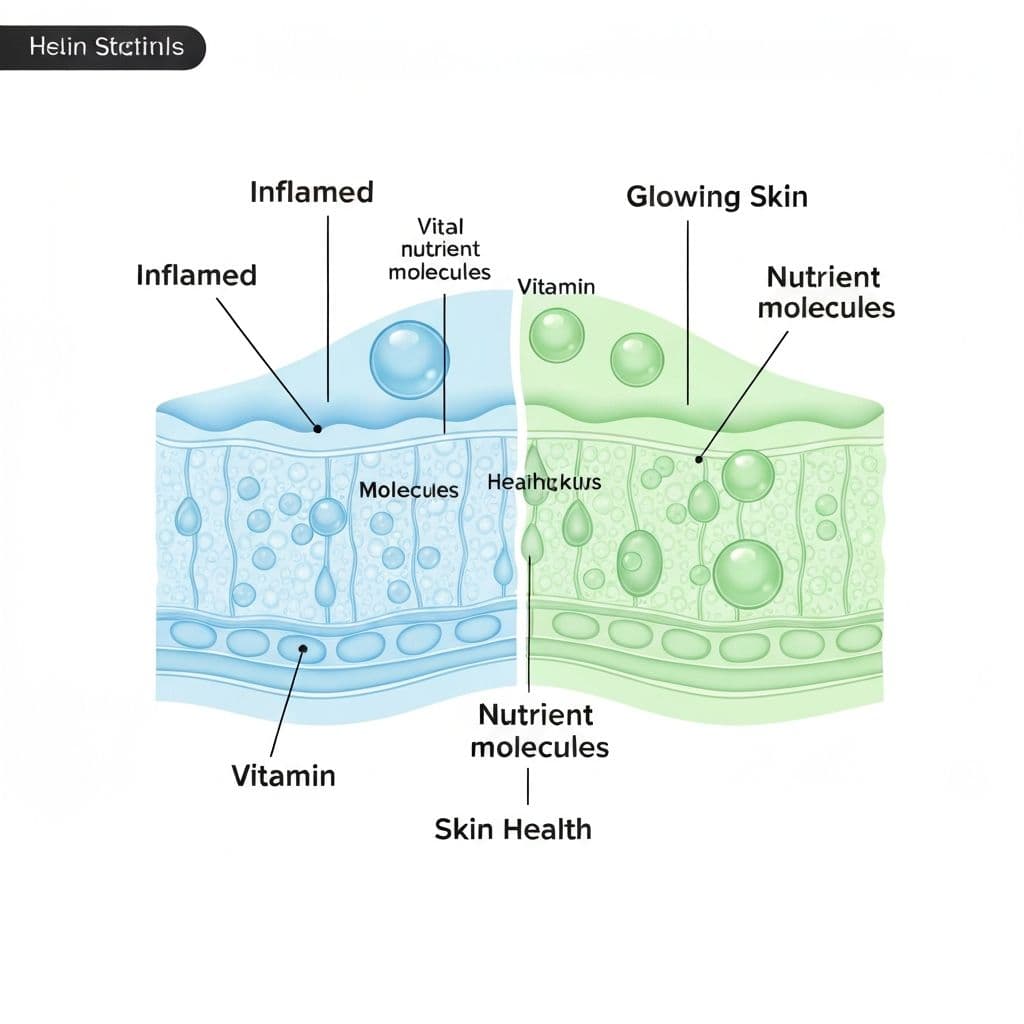
Learn what nutritional deficiencies cause boils. Explore vitamin and mineral deficiencies, immune system factors, and how to prevent recurrent boils through proper nutrition.
What Is Your Body Lacking When You Get Boils: Nutritional Deficiencies Explained
Introduction
Recurrent boils can be more than just a skin irritationthey often signal underlying nutritional deficiencies. When you get boils repeatedly, your body is lacking specific vitamins, minerals, and nutrients necessary for immune function and skin health. Understanding what your body is missing can help you address the root cause rather than treating symptoms superficially.
Boils develop when bacteria, typically Staphylococcus aureus, infect hair follicles and surrounding tissue. However, a well-nourished immune system typically prevents these infections from occurring. When boils appear frequently, it's a red flag that your body isn't receiving adequate nutritional support to maintain optimal immune and skin health.
Table of Contents
- Understanding Boils and Their Root Causes
- Vitamin Deficiencies That Cause Boils
- Mineral Deficiencies and Skin Health
- Immune System Weakness and Recurrent Boils
- Nutritional Factors Beyond Vitamins and Minerals
- How to Address Deficiencies
- Frequently Asked Questions
- Conclusion
Understanding Boils and Their Root Causes {#understanding-boils}
What Exactly Is a Boil?
A boil is a localized bacterial infection that develops in hair follicles and adjacent tissue. It progresses through several stages:
- Initial inflammation: Red, tender bump appears
- Accumulation: Pus collects beneath the skin
- Peak formation: White or yellow head develops
- Drainage: Boil ruptures or is lanced by a healthcare provider
- Healing: Wound closes and scars may form
Why Some People Get Boils More Frequently
While bacterial exposure is necessary for boil development, nutritional status determines susceptibility:
- Poor immune function allows bacteria to establish infection
- Weakened skin barrier makes follicles vulnerable
- Impaired wound healing prolongs infection duration
- Chronic inflammation creates ideal conditions for bacterial growth
Vitamin Deficiencies That Cause Boils {#vitamin-deficiencies}
Vitamin A Deficiency
Role in skin health: Vitamin A is essential for maintaining skin barrier integrity and regulating immune response. When lacking vitamin A, your body struggles to:
- Regenerate skin cells properly
- Maintain sebaceous gland function
- Produce adequate antibodies
- Create protective mucous layers
Signs of vitamin A deficiency:
- Recurrent skin infections
- Dry, rough skin
- Night blindness
- Frequent colds and infections
Food sources:
- Sweet potatoes
- Carrots
- Kale and dark leafy greens
- Liver
- Spinach
- Butternut squash
Vitamin C Deficiency
Critical immune function: Vitamin C is a cofactor for collagen synthesis and immune cell function. Deficiency significantly impacts:
- Wound healing capacity
- White blood cell function
- Antioxidant protection
- Inflammatory response regulation
Connection to boils: Without adequate vitamin C, your body cannot effectively fight infections or heal damaged skin, leading to recurrent boil formation.
High-source foods:
- Citrus fruits (oranges, lemons, grapefruit)
- Bell peppers (highest vegetable source)
- Kiwi
- Strawberries
- Broccoli
- Brussels sprouts
Vitamin D Deficiency
Immune regulation: Vitamin D acts as an immune system modulator, producing antimicrobial peptides that fight bacterial infections. Low vitamin D levels compromise:
- Innate immune response
- Regulatory T cell function
- Antimicrobial peptide production
- Overall immune cell communication
Epidemiological evidence: Studies show individuals with vitamin D deficiency experience higher rates of skin infections, including recurrent boils and abscesses.
Vitamin D sources:
- Sunlight exposure (15-30 minutes daily)
- Fatty fish (salmon, mackerel, sardines)
- Egg yolks
- Mushrooms exposed to sunlight
- Fortified dairy products
Vitamin B Complex Deficiencies
B vitamins and immunity: B vitamins support energy production and immune cell development. Deficiencies include:
Vitamin B6 (Pyridoxine)
- Required for antibody production
- Supports immune cell development
- Regulates inflammation
Vitamin B12 (Cobalamin)
- Essential for white blood cell maturation
- Supports nerve function
- Regulates homocysteine levels
Folate (Vitamin B9)
- Required for DNA synthesis
- Supports immune cell proliferation
- Regulates inflammatory response
Best sources:
- Chicken and turkey
- Fish and shellfish
- Eggs
- Legumes and beans
- Whole grains
- Nutritional yeast
Mineral Deficiencies and Skin Health {#mineral-deficiencies}
Zinc Deficiency
Why zinc matters for boil prevention: Zinc is fundamental to immune function and skin integrity. It's involved in:
- Immune cell development and differentiation
- Wound healing processes
- Protein synthesis for skin repair
- Antimicrobial protein production
- Inflammatory response regulation
Zinc deficiency signs:
- Recurrent infections
- Poor wound healing
- Hair loss
- Diarrhea
- Loss of taste or smell
Zinc-rich foods:
- Oysters and shellfish
- Beef and lamb
- Pumpkin seeds
- Hemp seeds
- Chickpeas
- Cashews
- Mushrooms
Iron Deficiency
Connection to immune function: Iron is essential for oxygen transport and immune cell function. Deficiency compromises:
- Red blood cell production
- Oxygen delivery to tissues
- White blood cell development
- Enzymatic immune function
Signs of iron deficiency:
- Fatigue and weakness
- Pale skin
- Shortness of breath
- Frequent infections
- Slow wound healing
Iron sources:
- Red meat (heme iron)
- Poultry (heme iron)
- Spinach and kale (non-heme iron)
- Lentils and beans (non-heme iron)
- Fortified cereals (non-heme iron)
Selenium Deficiency
Antioxidant immune role: Selenium supports production of selenoproteins, which:
- Fight viral and bacterial infections
- Reduce oxidative stress
- Regulate inflammatory response
- Support white blood cell function
Effects of deficiency:
- Recurrent infections
- Inflammatory skin conditions
- Thyroid dysfunction
- Oxidative stress accumulation
Selenium-containing foods:
- Brazil nuts (exceptionally high)
- Tuna and other fish
- Eggs
- Chicken and turkey
- Brown rice
- Mushrooms
Copper Deficiency
Microbial defense role: Copper is necessary for:
- White blood cell production
- Antimicrobial protein synthesis
- Collagen formation
- Melanin production
Copper sources:
- Shellfish and oysters
- Organ meats
- Nuts and seeds
- Dark chocolate
- Avocado
Immune System Weakness and Recurrent Boils {#immune-weakness}
How Nutritional Status Affects Immunity
Your immune system requires specific nutrients to function optimally. When you get boils repeatedly, it indicates:
- Impaired innate immunity: Your first line of defense isn't working effectively
- Reduced antimicrobial peptide production: Your body can't kill bacteria efficiently
- Poor inflammatory regulation: Your body overreacts or underreacts to infection
- Compromised skin barrier: Physical protection is weakened
Common Immune Deficiency Patterns
Pattern 1: Frequent boils in warm, moist areas
- Suggests localized immune compromise
- Often linked to zinc deficiency
- May indicate hygiene or friction issues
Pattern 2: Boils appearing in clusters
- Suggests systemic immune weakness
- Often linked to vitamin C or D deficiency
- May indicate recent illness or stress
Pattern 3: Slow-healing boils
- Indicates impaired wound healing
- Often linked to protein or vitamin C deficiency
- May suggest iron deficiency
Nutritional Factors Beyond Vitamins and Minerals {#nutritional-factors}
Protein Insufficiency
Why protein matters: Protein is essential for:
- Antibody production
- Immune cell synthesis
- Collagen formation
- Wound healing
- Enzyme production
Daily requirements:
- 0.8 grams per kilogram of body weight (minimum)
- Increased to 1.2-1.6 g/kg during acute infections
Healthy Fat Deficiency
Omega-3 and omega-6 balance: Healthy fats are critical for:
- Cell membrane integrity
- Anti-inflammatory response regulation
- Immune cell signaling
- Nutrient absorption
Optimal sources:
- Fatty fish (salmon, mackerel, sardines)
- Walnuts and flaxseeds
- Chia seeds
- Olive oil
- Avocado
Antioxidant Deficiency
Oxidative stress and infection: Recurrent boils generate oxidative stress. Antioxidant-rich foods combat this:
- Berries and dark fruits
- Dark leafy greens
- Colorful vegetables
- Green tea
- Dark chocolate (70%+ cocoa)
How to Address Deficiencies {#addressing-deficiencies}
Step 1: Identify Your Specific Deficiencies
Laboratory testing:
- Vitamin A levels
- Vitamin C serum levels
- Vitamin D (25-hydroxyvitamin D)
- Vitamin B12 and folate
- Zinc serum levels
- Iron studies (ferritin, TIBC, serum iron)
- Selenium levels
Step 2: Dietary Optimization
Food-first approach: Before supplementation, try comprehensive dietary changes:
- Increase colorful vegetables (5-7 servings daily)
- Add lean proteins to each meal
- Include healthy fats (2-3 servings daily)
- Choose whole grains over refined carbohydrates
- Reduce processed foods that lack nutrients
Step 3: Supplementation if Needed
After dietary modifications, supplementation may be necessary for:
- Vitamin D (especially in winter or low-sun climates)
- Vitamin B12 (if vegetarian/vegan)
- Iron (if deficient)
- Zinc (if levels remain low)
Important: Consult healthcare providers before starting supplementation to avoid interactions or overdosing.
Step 4: Lifestyle Modifications
Complementary strategies:
- Sleep: 7-9 hours nightly for immune recovery
- Stress management: Chronic stress depletes nutrients
- Exercise: 150 minutes weekly moderate activity
- Hygiene: Proper skin care prevents infection
- Stress reduction: Meditation, yoga, or relaxation techniques
Frequently Asked Questions {#faqs}
How long does it take to see improvement after addressing deficiencies?
Timeline varies by deficiency severity and correction method:
- Minor deficiencies with dietary changes: 4-8 weeks
- Significant deficiencies requiring supplements: 8-12 weeks
- Immune system recovery: Up to 3-6 months for noticeable improvement in infection frequency
Can nutritional deficiency be the only cause of boils?
Nutritional deficiency is often a contributing factor but rarely the sole cause. Boils result from:
- Bacterial exposure (necessary)
- Impaired immune response (nutritional factors play a role)
- Skin barrier compromise (friction, previous injury)
- Hygiene factors
Should I use antibiotics for boils or address nutrition first?
Both approaches are important:
- Acute boils: Medical treatment often necessary to prevent complications
- Prevention: Nutritional optimization prevents future occurrences
- Optimal approach: Combine medical care with nutritional improvements
Can supplements alone eliminate recurrent boils?
Supplements help correct deficiencies but shouldn't be the only intervention. Comprehensive approaches include:
- Dietary improvements
- Proper hygiene
- Stress management
- Medical treatment when necessary
- Lifestyle modifications
Is it possible to have boils without nutritional deficiency?
Yes, but deficiency increases susceptibility. Other causes include:
- High bacterial exposure
- Compromised immune conditions
- Chronic skin friction
- Poor hygiene practices
- Diabetes or other metabolic conditions
Conclusion
When you get boils, your body is often lacking critical vitamins (A, C, D, and B complex), minerals (zinc, iron, selenium, copper), and other nutrients necessary for immune function and skin health. Rather than treating boils as isolated skin problems, recognize them as signals of systemic nutritional insufficiency.
By systematically addressing your nutritional gaps through a nutrient-dense diet, targeted supplementation when necessary, and complementary lifestyle modifications, you can strengthen your immune system and dramatically reduce boil recurrence. Work with healthcare providers to identify your specific deficiencies and create a comprehensive plan addressing both the immediate infection and underlying nutritional causes.