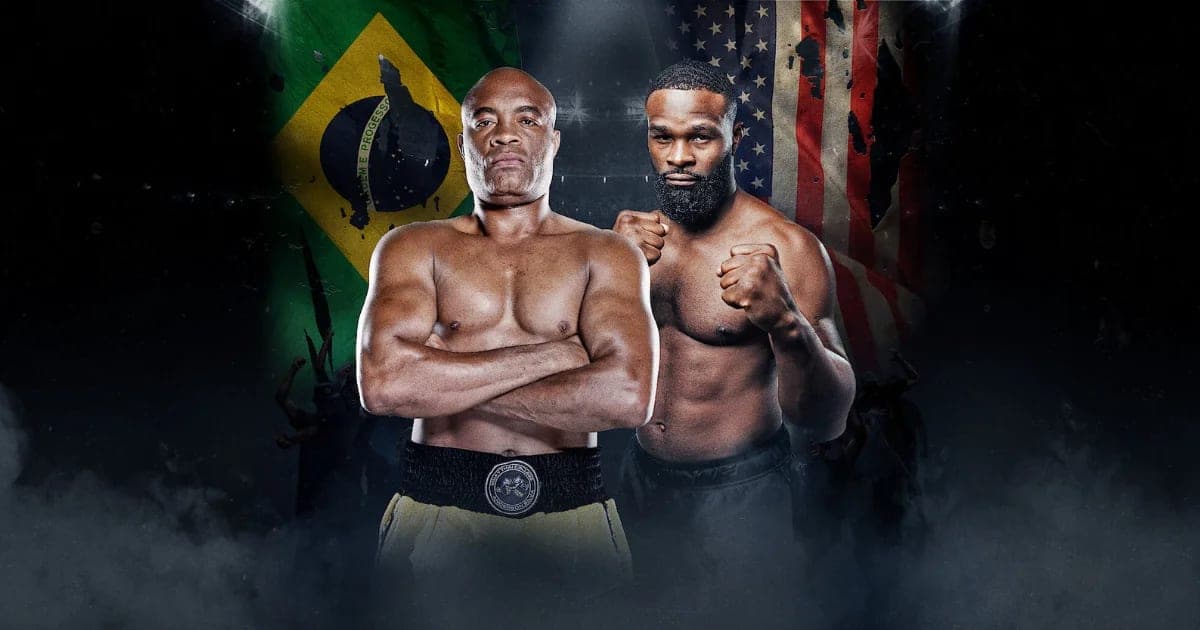
Expert predictions for Tyron Woodley vs Anderson Silva matchup. Analyze fighting styles, strengths, weaknesses, and expert opinions on this UFC superfight.
Introduction
The potential matchup between Tyron Woodley and Anderson Silva represents one of the most intriguing superfights in modern UFC history. Both fighters are legends in their respective weight classes, with Hall of Fame careers spanning decades. Woodley, the former UFC Welterweight Champion, and Silva, the legendary Middleweight Champion with the longest title reign in UFC history, would bring a clash of fighting philosophies and generational differences to the octagon.
This hypothetical bout captures the imagination of MMA fans worldwide because it pits two of the sport's greatest defensive minds against each other. Woodley is known for his devastating wrestling, powerful counter-striking, and ability to control fights through pressure. Silva, on the other hand, built his legacy on technical striking, elusiveness, and fighting intelligence that frustrated opponents throughout his career.
In this comprehensive analysis, we'll examine both fighters' strengths and weaknesses, analyze how they would approach this matchup, consider their current circumstances, and provide expert predictions on how this fight would likely unfold.
Understanding Tyron Woodley's Fighting Style
Woodley's Strengths
Tyron Woodley established himself as one of the most dominant welterweights in UFC history through several key attributes:
Elite Wrestling and Takedown Defense: Woodley's wrestling credentials are impeccable. His high school and college wrestling background combined with his explosive athleticism made him virtually impossible to take down for extended periods. Even when opponents successfully executed takedowns, Woodley's bottom game and explosive hips allowed him to escape quickly.
Devastating Counter-Striking: Woodley's most dangerous weapon is his ability to catch opponents coming forward and counter with tremendous power. His right hand, combined with his technical footwork, has ended numerous fights with stunning counter-strikes. This explosive power on the counter made opponents afraid to press forward aggressively.
Strong Pressure and Clinch Work: When Woodley engaged, he brought relentless pressure, particularly in the clinch. His ability to control opponents against the cage and transition between strikes and takedowns kept opponents off-balance and unable to establish rhythm.
Knockout Power: Pound-for-pound, Woodley possessed striking power that few welterweights could match. His heavy hands, developed through his wrestling background and strength training, meant that even glancing strikes could hurt opponents.
Physical Attributes: Woodley's natural size, strength, and explosiveness gave him significant advantages over most welterweights. His speed and coordination at a relatively high weight class made him difficult to figure out.
Woodley's Weaknesses
Footwork and Distance Management: While effective, Woodley sometimes struggled with fighters who could maintain proper distance and dictate the fight's pace through superior footwork. He occasionally found himself reactive rather than proactive.
Reliance on Counters: Woodley's fighting style, while effective, often depended on opponents making mistakes or attacking recklessly. Against patient, technical strikers, his reactive style sometimes resulted in less control.
Conditioning in Later Fights: As Woodley progressed through his career, some observers noted that his physical output occasionally diminished in later rounds against elite competition.
Understanding Anderson Silva's Fighting Style
Silva's Strengths
Anderson Silva's 2,457-day middleweight title reign remains the longest in UFC history, a testament to his exceptional fighting intelligence:
Technical Striking: Silva's striking is considered some of the finest ever displayed in MMA. His hand speed, combination techniques, and striking precision created constant threats that opponents couldn't predict or counter effectively.
Elusiveness and Defense: Silva's ability to avoid strikes through head movement, footwork, and hip movement is legendary. His matrix-like defensive abilities frustrated fighters throughout his career. He rarely got hit clean, and opponents often felt frustrated watching strikes whiff just inches away.
Fighting Intelligence: Perhaps Silva's greatest asset was his ring generalship. He read opponents exceptionally well, adapted his gameplan mid-fight, and made split-second adjustments that kept him ahead on scorecards.
Southpaw Stance Advantage: Fighting from a southpaw stance against primarily orthodox fighters gave Silva significant angles and distance advantages that opponents found difficult to solve.
Experience and Ring Awareness: Silva fought at the highest level for longer than almost any elite fighter. His experience against elite competition meant he had seen virtually every style and tactic.
Clinch Efficiency: In the clinch, Silva demonstrated technical elbows, knees, and position control that many fighters couldn't match.
Silva's Weaknesses
Against Aggressive Pressure: While Silva thrived against strikers who allowed him space, fighters applying consistent pressure, particularly wrestling-based pressure, sometimes limited his ability to establish timing.
Chin Vulnerability: As Silva aged, some questioned whether his chin remained as solid as it was earlier in his career. Several notable knockdowns in his later fights suggested he wasn't as defensively sound against flush strikes.
Wrestling Defense: While competent, Silva never faced elite offensive wrestlers at middleweight. Against pure wrestlers with elite-level takedown ability, his wrestling defense might be tested.
Activity in Later Fights: Some critics argue that Silva's fight IQ sometimes led to inactivity, particularly against opponents who wouldn't engage. He occasionally appeared content to wait for opponents to make mistakes.
The Hypothetical Matchup: Key Factors
Weight Class Considerations
A crucial factor in this matchup is weight class. If this fight occurs at welterweight (170 lbs), Woodley would have a significant natural size advantage. Silva, while larger than most middleweights, would be undersized against a full-time 170-pounder. However, if the fight occurs at middleweight (185 lbs), Silva would have size equality or slight advantage, particularly given Woodley's later career.
Age and Physical Prime
Both fighters are past their physical primes, which adds another layer of unpredictability. In their absolute peaks, this would be a different fight than what we might see now. Current versions of both fighters would likely be somewhat slower and less explosive than their championship-era selves.
Stylistic Matchup Implications
This matchup pits contrasting styles:
- Woodley's pressure vs. Silva's distance management: This is the central battleground. Woodley would look to establish pressure and control the clinch, while Silva would try to maintain distance and dictate the pace.
- Woodley's wrestling vs. Silva's upright game: Takedowns would likely be decisive if Woodley could consistently get them, but Silva's high-level striking might make it risky for Woodley to shoot.
- Counter-striking vs. proactive striking: Both are skilled at different aspects of striking, and their approaches would clash significantly.
Expert Analysis and Predictions
Scenario 1: Woodley Wins by Decision/Control
How it happens: Woodley controls the fight through relentless pressure and clinch work. He lands takedowns early and prevents Silva from establishing a rhythm. By controlling position and pace, Woodley takes rounds through damage and control, frustrating Silva throughout the fight.
Probability: Moderate to High
Key factors: Woodley's wrestling would be essential, and his ability to apply constant pressure would prevent Silva from fighting at range where he's most comfortable.
Scenario 2: Silva Wins Through Striking
How it happens: Silva's superior striking technique and footwork allow him to create angles that Woodley can't solve. Through precise striking and exceptional defense, Silva tags Woodley with meaningful shots while remaining difficult to hit cleanly. The fight potentially ends via knockout if Woodley gets frustrated and overextends.
Probability: Moderate
Key factors: Silva's timing and distance management would need to be sharp. He'd have to avoid Woodley's power counters while establishing his own striking rhythm.
Scenario 3: Woodley Wins by Knockout
How it happens: Early in the fight, Woodley's counter-striking catches Silva rushing forward. A devastating counter right hand or left cross followed by clean strikes ends the fight before the fight develops into a grinding chess match.
Probability: Low to Moderate
Key factors: Woodley would need to get Silva to rush aggressively early, which an intelligent fighter like Silva likely wouldn't do repeatedly.
Scenario 4: Silva Wins by Decision
How it happens: Silva successfully frustrates Woodley's pressure through superior footwork and angles. While Silva might not land devastating combinations, his consistent outstriking and defensive mastery win rounds. Woodley, unable to establish clinch dominance or secure significant takedowns, finds himself losing the fight on the scorecards.
Probability: Moderate
Key factors: Silva's ring IQ would be critical. He'd need to avoid Woodley's pressure without appearing defensive to judges.
Detailed Fight Breakdown: Round by Round Potential
Round One Analysis
The opening round would likely set the tone for the fight. Expect Woodley to come forward aggressively, looking to establish pressure immediately. Silva, likely respecting Woodley's power, would probably fight more conservatively, looking to gauge distance and timing.
Woodley might land a takedown or achieve clinch dominance early, while Silva would search for counter-striking opportunities. This round could go either way, but Woodley's pressure might secure it.
Mid-Fight Considerations (Rounds 2-3)
If the fight went to middleweight at five rounds, Woodley would likely focus on maintaining pressure and wrestling opportunities to score points and control rounds. Silva would try to establish a rhythm with counter-strikes and use lateral movement to neutralize Woodley's pressure.
The physical battle would intensify, and cardio would become a factor. Silva's historically superior conditioning might become advantageous as the fight progressed.
Late-Fight Scenarios (Round 4-5)
In the final rounds, the pace might slow for both fighters due to fatigue. However, in championship rounds, both are experienced enough to find reserves and push through. The fight might become more clearly defined by this point, with judges understanding who's winning on the scorecards.
Comparative Statistics and Fighter Records
Head-to-Head Record Analysis
While we're discussing a hypothetical fight, we can analyze how each fighter fared against similar competition:
- Elite strikers: Silva historically performed better against pure strikers; Woodley sometimes struggled against superior technical strikers but excelled against athletic, pressure-based fighters.
- Wrestlers: Neither faced elite offensive wrestlers at their respective weights regularly, but Woodley clearly had the wrestling advantage.
- Technical opponents: Silva's record against technical, high-fight-IQ opponents was exceptional; Woodley's was very good but slightly less impressive.
What Experts Are Saying
MMA Analyst Perspectives
Most MMA analysts and commentators suggest:
- Woodley's wrestling would be his best path to victory
- Silva's striking would be the fight's most technically beautiful exchange
- The fight's outcome depends heavily on who dictates the pace early
- Woodley at welterweight would be favored; at middleweight, it's more competitive
- Current versions of both fighters would be less dominant than their championship eras
Fan and Fighter Community
The fighting community generally respects both fighters deeply. Most acknowledge:
- Mutual respect between both legends
- This would be an exceptional technical display regardless of outcome
- The fight would likely go to a decision rather than knockout
- Whoever controls pace would likely control the fight
Betting Odds and Market Analysis
Projected Betting Landscape
If this fight were to materialize, expected odds would likely be:
- At welterweight: Woodley -150 to -200 (favorite due to size and wrestling)
- At middleweight: More closely matched, potentially -110 for either fighter
- Decision: Heavy favorite (around -200)
- Knockout: Longer odds (around +300 to +500)
Conclusion and Final Prediction
The hypothetical matchup between Tyron Woodley and Anderson Silva represents a true superfight between two generational talents. Both brought dominant performances at their respective weight classes and fundamentally shaped how their divisions were fought.
If this fight were to occur, several factors would determine the outcome: the chosen weight class, both fighters' current physical conditions, and whether the fight occurs at their respective peaks or in their later careers.
Final Prediction: In a realistic scenario featuring current versions of both fighters at middleweight, Anderson Silva would likely win by decision through superior striking technique and footwork. Woodley's wrestling remains his best path to victory, but Silva's intelligent defense and ability to dictate pace would frustrate Woodley's pressure strategy. However, at welterweight, Woodley's size and wrestling advantage would likely carry him to victory.
Regardless of the outcome, this fight would be must-see television, showcasing two different fighting philosophies and two of the greatest combat athletes of their generation competing at the highest level. Both fighters earned their legendary status, and this hypothetical matchup would honor their legacies regardless of who emerged victorious.