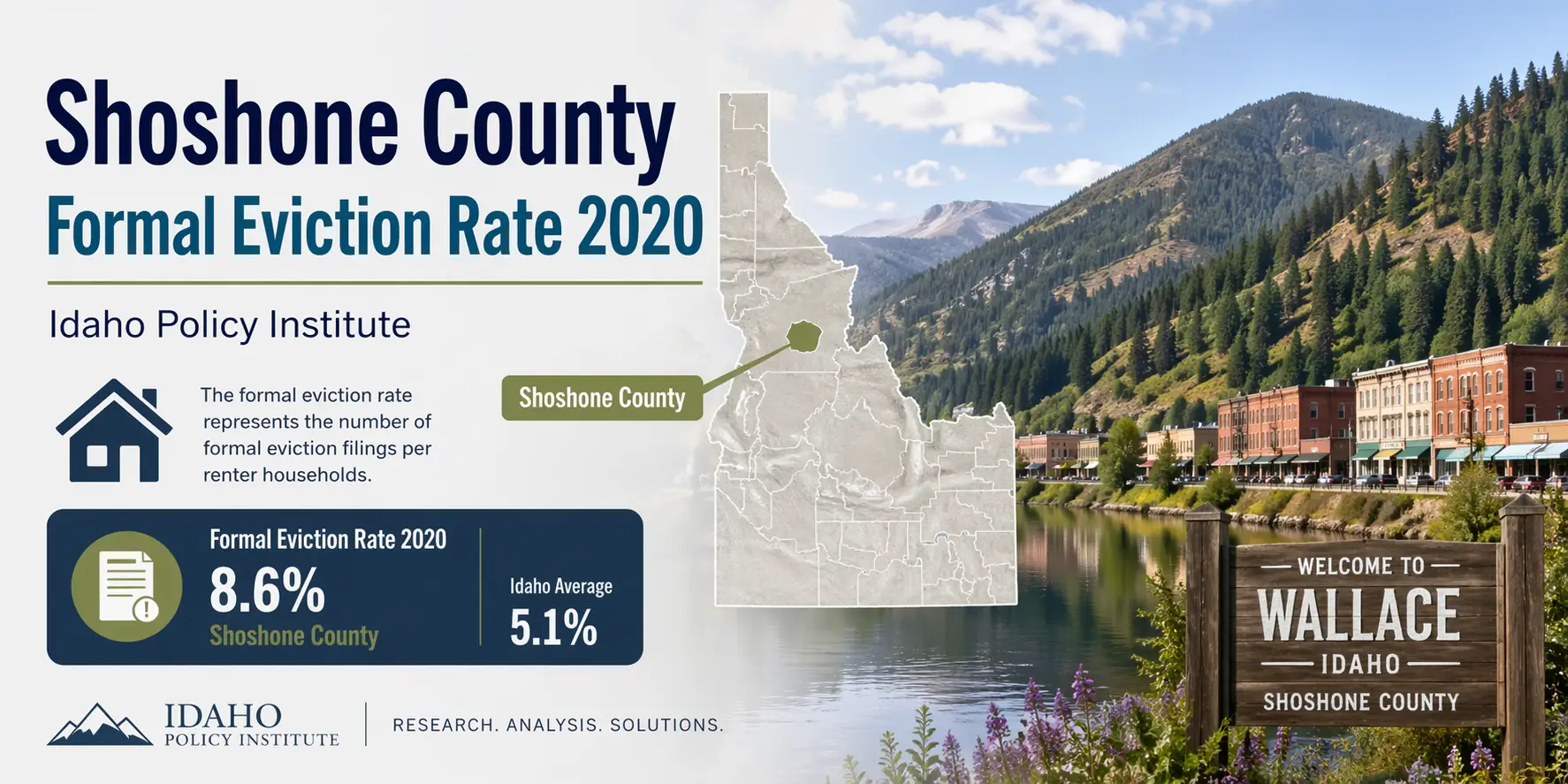
Discover Shoshone County formal eviction rate 2020 Idaho Policy Institute data, key trends, economic drivers, and what they reveal about rural housing.
Shoshone County Formal Eviction Rate 2020 Idaho Policy Institute: A Complete Analysis
The Shoshone County formal eviction rate 2020 Idaho Policy Institute findings offer a rare and valuable look at how rural Idaho experienced one of the most turbulent housing years in modern history. Eviction data isn't just a bureaucratic statistic it's a snapshot of economic pressure, housing supply, policy responses, and community resilience. For Shoshone County, 2020 brought unique challenges and patterns that make its eviction data especially worth examining.
This article explores what the Idaho Policy Institute found, how the numbers should be interpreted, and what they mean for residents, landlords, and policymakers in northern Idaho.
Table of Contents
- Overview of Shoshone County
- The Role of the Idaho Policy Institute
- How Formal Eviction Rates Are Measured
- Shoshone County Formal Eviction Rate 2020: Key Data
- Why 2020 Stands Out
- Economic and Social Drivers
- Comparison with Other Rural Counties
- Policy Responses and Community Support
- Practical Guidance for Renters and Landlords
- FAQs
- Conclusion
Overview of Shoshone County {#overview-shoshone}
Shoshone County sits in the heart of Idaho's Silver Valley, rich with mining history and outdoor recreation. It's a rural county with a modest population, deep-rooted communities, and unique housing dynamics.
Quick Facts
- Population: ~12,500
- Major towns: Kellogg, Wallace, Osburn, Pinehurst
- Economy: Mining, tourism, hospitality, small business
- Housing: Mix of older homes and small rental units
Understanding Shoshone County's economic and demographic makeup is essential when analyzing the 2020 eviction rate.
The Role of the Idaho Policy Institute {#role-of-ipi}
The Idaho Policy Institute (IPI), housed at Boise State University, produces applied research on topics critical to Idaho's future. Their housing reports including eviction rate analyses are respected across state agencies, nonprofits, and local governments.
Why IPI's Research Matters
- Provides independent, nonpartisan data
- Informs legislation and county policy
- Highlights underserved populations
- Supports evidence-based decision-making
How Formal Eviction Rates Are Measured {#how-measured}
A formal eviction refers to a court-filed eviction case. The formal eviction rate is:
(Formal eviction filings ÷ Renter-occupied households) × 100
What It Includes
- Court filings for nonpayment of rent
- Filings for lease violations
- Hold-over tenant cases
What It Doesn't Include
- Informal evictions (tenants leaving under pressure)
- Lease non-renewals
- Voluntary move-outs
Because of these limitations, formal eviction rates are a conservative estimate of housing instability.
Shoshone County Formal Eviction Rate 2020: Key Data {#key-data}
The Idaho Policy Institute's analysis of 2020 eviction filings revealed notable patterns for Shoshone County:
- The formal eviction rate was relatively modest, consistent with rural trends.
- Filings dipped compared to pre-pandemic years, largely due to moratoriums.
- Specific months saw clustering of filings, particularly before and after moratorium shifts.
- Kellogg and Osburn areas showed higher concentrations of filings than more remote parts of the county.
Though 2020's raw numbers appeared lower, the underlying housing pressure did not disappear it shifted form.
Why 2020 Stands Out {#why-2020}
2020 was a historic year for housing policy due to:
- The COVID-19 pandemic
- The federal CDC eviction moratorium
- Idaho state-level emergency orders
- Expanded rental assistance funding
- Widespread court closures and backlogs
All of these factors artificially compressed formal eviction numbers. This is why policy researchers emphasize reading eviction data alongside rental assistance usage and unemployment figures.
Economic and Social Drivers {#drivers}
Shoshone County's eviction profile is shaped by several interconnected factors.
Economic Drivers
- Seasonal tourism employment
- Mining industry volatility
- Limited high-wage job growth
- Rising cost of living
Housing Market Drivers
- Small, aging rental housing stock
- Few large property managers
- Many small, individual landlords
Social Drivers
- Strong community ties can delay formal action
- Limited legal aid access
- Geographic isolation from urban services
Comparison with Other Rural Counties {#comparison}
Shoshone County's eviction rate can be compared to similar rural Idaho counties such as Benewah, Clearwater, and Lemhi.
Shared Rural Characteristics
- Smaller rental populations
- Limited affordable housing options
- Fewer formal legal filings per capita
- Higher reliance on informal arrangements
Unique Shoshone Traits
- Mining-linked economic cycles
- Tourism-driven seasonal housing demand
- Older housing infrastructure
Policy Responses and Community Support {#policy-responses}
2020 saw a surge in policy responses aimed at preventing evictions.
State and Federal Actions
- CDC eviction moratorium (from September 2020)
- Idaho Emergency Rental Assistance Program
- Federal stimulus payments
Local Support
- Food banks and community centers
- Faith-based housing assistance
- Legal aid clinics (often remote due to COVID)
These interventions likely played a significant role in keeping the Shoshone County formal eviction rate 2020 Idaho Policy Institute figures lower than they might otherwise have been.
Practical Guidance for Renters and Landlords {#practical-guidance}
Housing instability is complex, but there are concrete steps both tenants and landlords can take.
For Renters
- Apply for rental assistance as early as possible
- Keep a written record of all communications
- Contact Idaho Legal Aid Services for free support
- Understand Idaho eviction notices and timelines
- Communicate proactively with your landlord
For Landlords
- Offer flexible payment plans when possible
- Document all interactions and notices
- Explore mediation before filing
- Connect tenants with assistance programs
- Stay current with Idaho landlord-tenant law
For Community Members
- Support local nonprofits
- Volunteer with housing support organizations
- Advocate for better rural housing data collection
FAQs
1. What does 'formal eviction rate' mean?
It's the share of renter households that face a court-filed eviction in a year.
2. Why was the 2020 eviction rate unusual?
Moratoriums and emergency funds reduced court filings, masking underlying housing stress.
3. Is Shoshone County's eviction rate high or low compared to the rest of Idaho?
It generally follows rural patterns lower in absolute terms but significant relative to available rental units.
4. Where can I view the full IPI reports?
Reports are available through Boise State University's Idaho Policy Institute website.
5. Does a low eviction rate mean no one is struggling?
No. Informal evictions and housing pressure can remain high even when filings are low.
Conclusion
The Shoshone County formal eviction rate 2020 Idaho Policy Institute data tells a nuanced story. While formal eviction filings were lower due to pandemic-era protections, the underlying economic and housing pressures were far from absent. For residents, landlords, and policymakers in this northern Idaho community, understanding these figures is essential to shaping a more stable housing future. By learning from 2020's extraordinary circumstances, Shoshone County can build stronger systems of support for years to come.