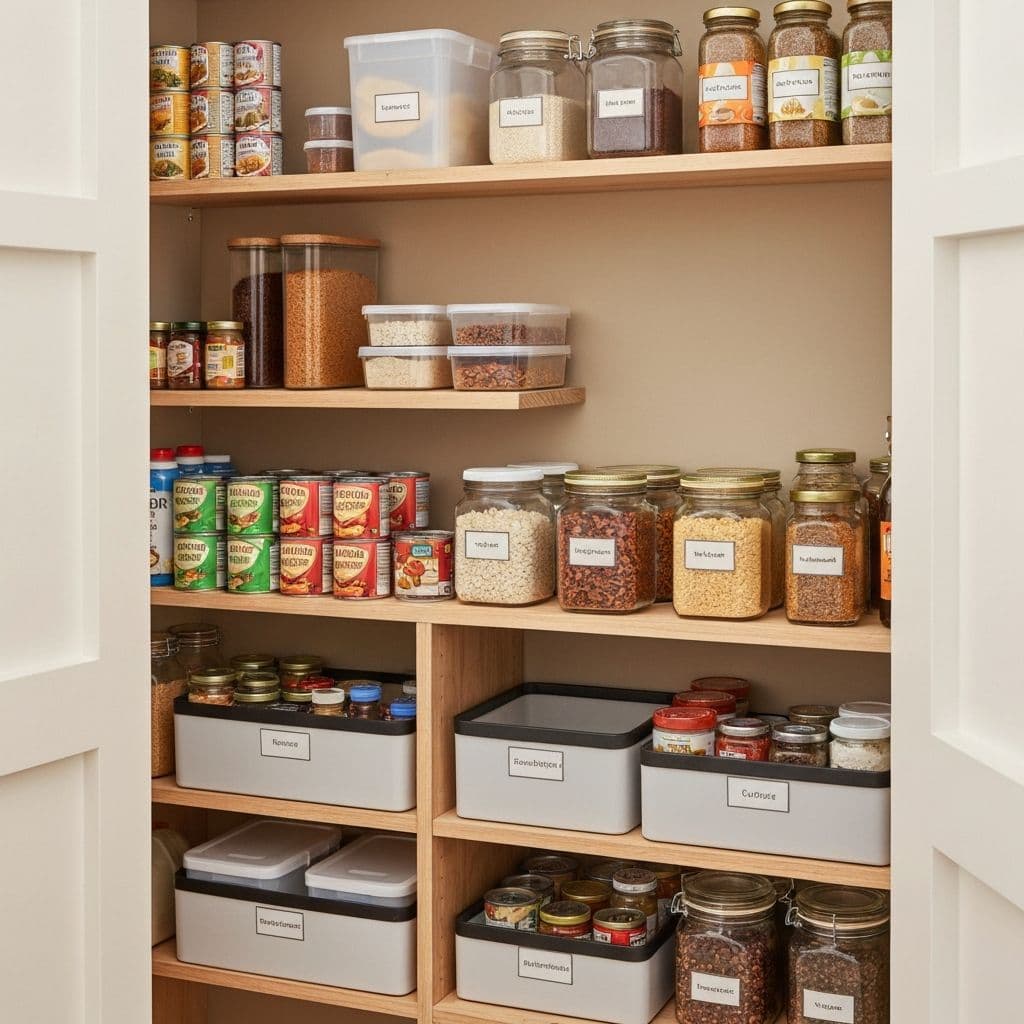
Complete guide to non-perishable food storage, best options for emergencies, nutrition value, and long-term food preservation methods.
Non Perishable Food: Complete Storage and Preparedness Guide
Introduction
Non-perishable food represents one of the most practical components of household planning and emergency preparedness. Whether you're building a basic pantry, preparing for emergencies, or simply seeking to reduce shopping frequency, understanding non-perishable food options, storage methods, and nutritional value is essential. This comprehensive guide explores every aspect of non-perishable food, from shelf-stable essentials to advanced preservation techniques, helping you build a resilient food supply that sustains your family through any circumstance.
Table of Contents
- What Constitutes Non Perishable Food
- Essential Non Perishable Foods
- Nutritional Considerations
- Storage Methods for Non Perishable Food
- Shelf Life Guidelines
- Emergency Food Kits
- Rotating Non Perishable Food
- Budget-Friendly Options
- FAQs
- Conclusion
What Constitutes Non Perishable Food {#definition}
Defining Non Perishable Food
Non-perishable food encompasses any food item that doesn't require refrigeration and remains safe to eat for extended periods. The classification depends on moisture content, processing method, and packaging.
Key Characteristics of Non Perishable Food:
- Does not require refrigeration
- Long shelf life (weeks to years)
- Minimal moisture content
- Processed or preserved through various methods
- Stable at room temperature
- Sealed or vacuum-packaged
- Resistant to bacterial growth
Non Perishable Food vs. Perishable
Understanding the distinction helps in meal planning and storage decisions.
Perishable vs. Non-Perishable Comparison:
Perishable Foods:
- Require refrigeration or freezing
- Short shelf life (days to weeks)
- High moisture content
- Requires careful handling
- Examples: Dairy, meat, produce
Non-Perishable Foods:
- Room temperature stable
- Extended shelf life (months to years)
- Lower moisture content
- Minimal handling requirements
- Examples: Canned goods, dried items, shelf-stable products
Essential Non Perishable Foods {#essentials}
Grains and Starches
Grains provide essential carbohydrates and fiber, forming the foundation of most non-perishable food storage.
Essential Non Perishable Grains:
Rice: Long shelf life, versatile, staple carbohydrate
- White rice: 30+ years
- Brown rice: 6-8 months (higher oil content)
- Wild rice: 2-3 years
Pasta: 2-3 years unopened
- Various shapes and types
- Low moisture content
- Complete meals when combined
Oats: 2-3 years
- Nutritious breakfast option
- High fiber content
- Long shelf life
Beans and Legumes: 1-2 years (dried)
- Complete proteins with grains
- High fiber content
- Cost-effective option
Canned Non Perishable Foods
Canning revolutionized non-perishable food availability, allowing preservation of diverse options.
Shelf-Stable Canned Items:
Proteins:
- Tuna and fish (2-5 years)
- Chicken (2-5 years)
- Beans (1-2 years)
- Corned beef (2-5 years)
Vegetables:
- Tomatoes (18-24 months)
- Corn (1-2 years)
- Peas (1-2 years)
- Mixed vegetables (1-2 years)
Fruits:
- Peaches (1-2 years)
- Pears (1-2 years)
- Mixed fruit (1-2 years)
- Applesauce (1-2 years)
Dried Non Perishable Foods
Drying removes moisture, extending shelf life dramatically.
Commonly Dried Non Perishable Items:
Dried Fruits: 6-12 months
- Raisins
- Dried cranberries
- Dried apples
- Dates
Dried Vegetables: 6-12 months
- Mushrooms
- Peppers
- Onions
- Carrots
Nuts and Seeds: 6-12 months (in cool conditions)
- Almonds
- Peanuts
- Sunflower seeds
- Walnuts
Shelf-Stable Proteins
Protein options in non-perishable food ensure nutritional completeness.
Non-Perishable Protein Sources:
Canned Meats: 2-5 years shelf life
- Tuna, salmon, chicken
- Corned beef, ham
- Spam and processed meats
Dried Legumes: 1-2 years
- Black beans
- Lentils
- Chickpeas
- Pinto beans
Nuts and Seeds: 6-12 months
- Peanut butter
- Almond butter
- Sunflower seeds
Protein Powders: 1-2 years unopened
- Whey protein
- Plant-based options
- Amino acid supplements
Nutritional Considerations {#nutrition}
Balancing Non Perishable Food Nutrition
Comprehensive non-perishable food storage requires attention to nutritional balance.
Nutritional Components to Address:
Vitamins:
- Include fortified non-perishable grains
- Add dried fruits for vitamin C
- Store multi-vitamins long-term
- Choose foods with minimal nutrient loss
Minerals:
- Canned beans provide iron
- Nuts offer magnesium
- Fortified foods add calcium
- Dried vegetables retain most minerals
Fats:
- Nuts and seeds (healthy fats)
- Canned fish in oil
- Peanut butter
- Coconut oil
Micronutrient Preservation in Non Perishable Food
Processing and storage affect nutritional value.
Preservation Impact:
- Canning: Preserves most vitamins except vitamin C
- Drying: Concentrates nutrients, reduces some vitamins
- Freezing: Best nutrient retention (though requires electricity)
- Vacuum Sealing: Prevents oxidation and degradation
- Oxygen Absorbers: Maintain nutritional value longer
Storage Methods for Non Perishable Food {#storage}
Proper Storage Environment
Optimal storage conditions maximize non-perishable food longevity.
Ideal Storage Conditions:
Temperature:
- Keep between 50-70°F
- Avoid temperature fluctuations
- Consistent conditions extend shelf life
- Heat accelerates degradation
Humidity:
- Maintain 15% relative humidity
- Dry conditions prevent mold
- Moisture accelerates spoilage
- Use moisture absorbers if needed
Light:
- Store in darkness
- UV light degrades foods
- Use opaque containers
- Keep away from windows
Oxygen:
- Use oxygen absorbers in sealed containers
- Vacuum sealing removes oxygen
- Reduced oxygen extends shelf life
- Prevents pest infestation
Storage Containers for Non Perishable Food
Appropriate containers protect non-perishable food from contamination and degradation.
Container Options:
Food-Grade Plastic Buckets:
- 5-gallon capacity
- Stackable design
- Seal tightly
- Long-term storage
Mylar Bags:
- Oxygen barriers
- Moisture protection
- Compact storage
- Vacuum sealable
Glass Jars:
- See contents clearly
- No chemical leaching
- Preserve taste
- Easy monitoring
Original Packaging:
- Often optimal for shelf life
- Designed for preservation
- Date tracking easy
- Cost-effective
Shelf Life Guidelines {#shelf-life}
Understanding Expiration Dates
Proper interpretation of expiration dates maximizes non-perishable food utilization.
Common Date Labels:
- Best By: Peak quality date, not safety
- Sell By: For retailer inventory
- Use By: Recommended consumption date
- Packed On: Manufacturing date
Non-perishable food often remains safe beyond these dates with proper storage.
Detailed Shelf Life Reference
Understanding specific shelf lives helps plan non-perishable food storage.
Shelf Life by Category:
Indefinite (with proper storage):
- Salt
- Sugar
- Honey
- White rice
- Whole wheat berries
Very Long (10+ years):
- Powdered eggs
- Powdered milk
- Hard wheat berries
- Canned goods
Long Term (3-5 years):
- Pasta
- Canned vegetables
- Dried fruit
- Nuts (cool conditions)
Moderate (1-2 years):
- Brown rice
- Oats
- Dried herbs
- Cooking oils
Emergency Food Kits {#emergency}
Building Comprehensive Emergency Non Perishable Food
Emergency situations demand pre-planned non-perishable food stores.
Three-Day Emergency Kit Per Person:
Minimum Daily Calories: 2,000
- 6 cans of ready-to-eat meals (600 calories each)
- 2 protein bars (250 calories each)
- 1 bag mixed nuts (300 calories)
- 1 gallon water per person per day
- Manual can opener
- Basic utensils
Two-Week Supply:
- 14 cans varied proteins
- 14 cans vegetables
- 14 cans fruits
- 7 lbs rice/pasta
- 5 lbs beans
- Oils and condiments
- Comfort foods (important for morale)
- Multi-vitamins
- Emergency water supply (1 gallon/person/day minimum)
Specialized Emergency Non Perishable Food
Specific situations demand tailored non-perishable food options.
For Families with Infants:
- Formula and bottled water
- Baby food pouches
- Diapers
- Medical supplies
For Pet Owners:
- Dry pet food
- Canned pet food
- Pet medications
- Treats
For Medical Diets:
- Sugar-free options
- Low-sodium items
- Gluten-free products
- Specific allergen-free foods
Rotating Non Perishable Food {#rotation}
First In, First Out System (FIFO)
Proper rotation ensures non-perishable food freshness and prevents waste.
FIFO Implementation:
- Label All Items: Mark purchase or expiration dates
- Front Placement: Store older items in front
- Regular Use: Incorporate non-perishable food into regular meals
- Inventory System: Track quantities and dates
- Replace Used Items: Maintain consistent supplies
Creating Inventory System
Systematic tracking manages non-perishable food effectively.
Inventory Tracking Methods:
- Spreadsheet: Digital tracking with formulas
- Index Cards: Physical organization in containers
- Inventory Apps: Mobile phone-based systems
- Checklist: Simple lists by category
Budget-Friendly Options {#budget}
Cost-Effective Non Perishable Food Strategies
Building non-perishable food stores doesn't require excessive spending.
Money-Saving Tactics:
- Buy in Bulk: Reduced per-unit cost
- Watch Sales: Buy staples on promotion
- Store Brands: Same quality, lower price
- Discount Stores: Often cheaper non-perishable options
- Buy Seasonal: Non-perishable foods cheaper when harvested
- Compare Unit Prices: Price per ounce reveals true value
Affordable Non Perishable Staples
These budget-friendly options provide excellent nutrition value.
Most Affordable Non-Perishable Items:
- White rice (excellent shelf life)
- Dried beans (complete proteins)
- Peanut butter (protein and fats)
- Canned vegetables (nutrient-dense)
- Oats (nutritious and versatile)
- Pasta (economical staple)
- Canned chicken (affordable protein)
FAQs {#faqs}
Q: How long does non-perishable food actually last?
A: It varies dramatically by type. Salt and sugar last indefinitely; canned goods typically last 2-5 years; dried goods usually last 1-2 years. Proper storage extends these timelines significantly.
Q: Is non-perishable food less nutritious than fresh?
A: Not necessarily. While processing removes some nutrients, many non-perishable options retain excellent nutritional value. Variety in non-perishable food selection ensures comprehensive nutrition.
Q: Can I eat non-perishable food past the expiration date?
A: Often yes, particularly with proper storage. Non-perishable food expires more slowly than perishable items. Check appearance, smell, and manufacturer guidelines before consuming.
Q: What's the best non-perishable food for camping?
A: Lightweight options like trail mix, energy bars, dried fruit, nuts, and canned goods work well. Consider weight, packability, and no-preparation options.
Q: How should I store non-perishable food long-term?
A: Use food-grade containers, oxygen absorbers, cool dry locations, and vacuum sealing when possible. Maintain consistent temperature and humidity for maximum preservation.
Conclusion
Non-perishable food forms the backbone of practical household management and emergency preparedness. By understanding the various types of non-perishable food available, optimal storage methods, and nutritional considerations, you build a resilient food supply that supports your family through everyday convenience and unexpected emergencies. Implement these strategies by starting with basic essentials like rice, beans, and canned goods, gradually expanding your non-perishable food store through regular purchases and rotation. Remember that non-perishable food planning is an ongoing process requiring regular inventory assessment and rotation. With dedicated attention to non-perishable food selection, storage, and management, you create a sustainable system that provides peace of mind, reduces shopping frequency, and ensures your family always has access to adequate nutrition. Begin building your non-perishable food supply today and experience the security and convenience that comprehensive food preparedness provides.