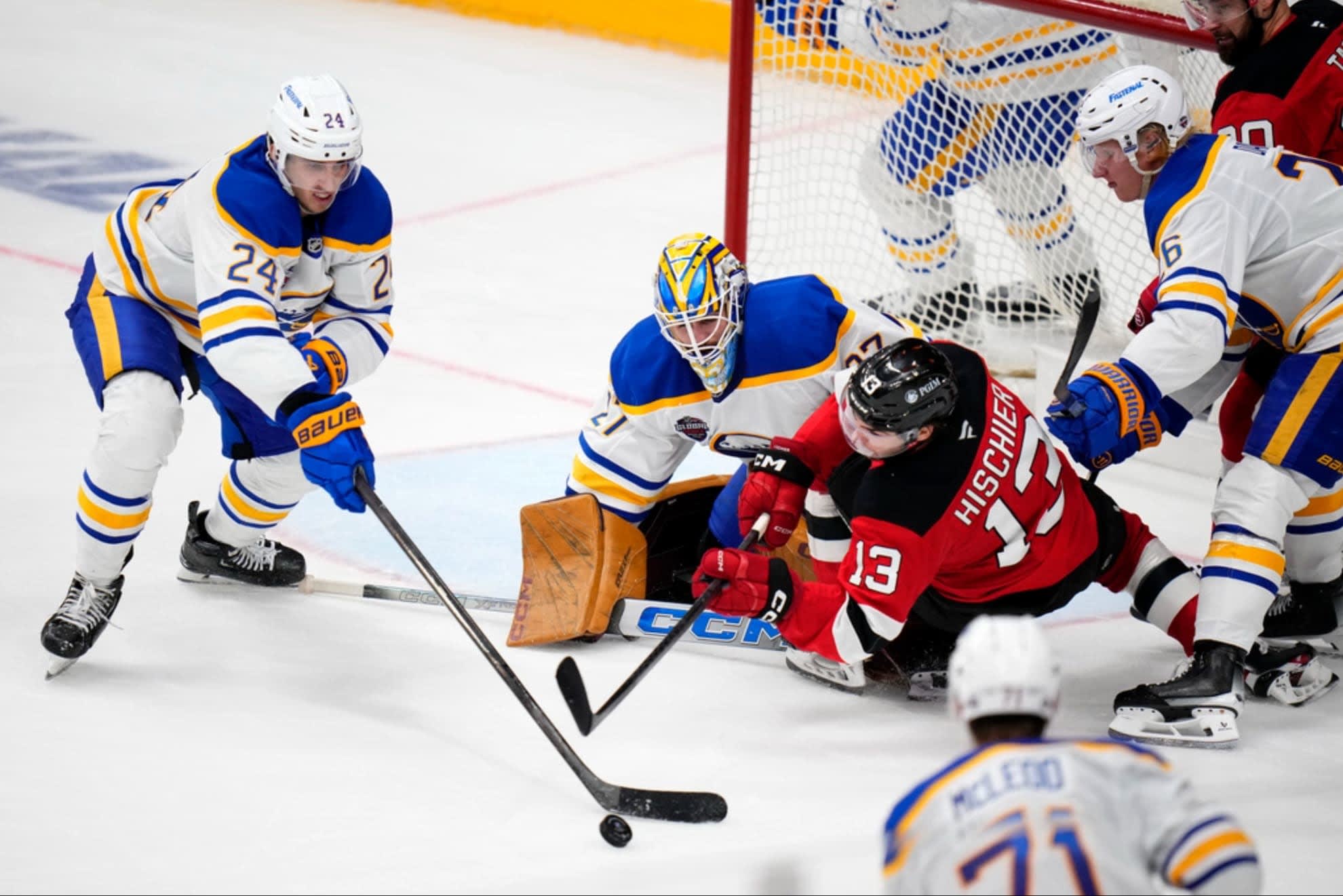
Complete guide to hockey game duration. Learn about regulation time, overtime, stoppages, and how long a typical professional hockey game lasts.
Introduction
Hockey games are exciting, fast-paced sporting events that captivate millions of fans worldwide. However, if you're new to the sport or planning to attend a game, you might wonder exactly how long a hockey game lasts. The answer isn't as straightforward as simply stating a time duration because hockey games involve multiple factors that affect their total length, from regulation time to potential overtime periods and various stoppages.
Understanding hockey game duration is important whether you're a fan, a parent considering attending a game with children, or someone planning to watch a game on television. In this comprehensive guide, we'll break down every aspect of hockey game timing, including regulation time, intermissions, overtime rules, and practical considerations that affect how long you'll actually spend watching a game.
Basic Regulation Hockey Game Duration
Official Game Time
The foundation of hockey game timing starts with the regulation period. An official NHL (National Hockey League) game consists of three 20-minute periods, which seems straightforward until you understand how hockey time actually works.
Key point: The 20-minute periods are "stop-time" periods, meaning the clock stops whenever play is stopped. This is fundamentally different from sports like football or basketball where the clock continues running even when play is stopped.
So while each period is officially 20 minutes of playing time, the actual elapsed time for each period is significantly longer due to:
- Stoppages for out-of-play pucks
- Penalties and penalty time stoppages
- Goals and celebrations
- Player injuries
- Fighting (rare at professional levels but can occur)
- Equipment problems
On average, each 20-minute period takes approximately 35-45 minutes of actual elapsed time to complete when accounting for all stoppages.
The Three Periods Explained
First Period
The game begins with a face-off at center ice. The first period establishes momentum, testing team strengths, and setting the tone for the game. With all players fresh and systems operating at peak efficiency, the first period typically features fast-paced, high-energy play.
The first period usually takes 40-50 minutes of elapsed time to complete, depending on the frequency of stoppages.
Second Period
After the first 15-minute intermission, the second period begins. By this time, fatigue has begun affecting players, potentially changing the pace of play. The second period often features either aggressive hockey as teams try to establish leads or more defensive play if a team has secured an advantage.
The second period also takes approximately 40-50 minutes of elapsed time.
Third Period
The final regulation period is crucial, especially if the game is close. Teams employ different strategies based on the score: teams trailing become more aggressive, while teams with leads often adopt more defensive approaches. The third period typically features intense, decisive play.
Like the first two periods, the third period usually requires 40-50 minutes of elapsed time.
Total Regulation Time
When you add up all three periods plus intermissions (discussed below), a standard regulation hockey game without overtime typically lasts between 2 hours and 20 minutes to 2 hours and 50 minutes in actual elapsed time.
Intermissions Between Periods
First Intermission (Between Periods 1 and 2)
After the first 20-minute period concludes, the ice must be resurfaced. The first intermission lasts 15 minutes in professional hockey, though this can vary at amateur levels.
During this intermission:
- The Zamboni resurfaces the entire ice
- Players return to locker rooms for coaching discussions, hydration, and rest
- Fans use facilities, purchase concessions, or enjoy entertainment
- Television broadcasts include commercials and analysis
The 15-minute intermission is official time, and play resumes promptly at the 15-minute mark.
Second Intermission (Between Periods 2 and 3)
The second intermission also lasts 15 minutes, following the same format as the first intermission with ice resurfacing and player rest.
Total Intermission Time
Combined intermission time equals 30 minutes for regulation games.
Stoppage Time and Clock Management
Why Hockey Uses Stop-Time Clocks
Unlike sports where the clock runs continuously regardless of play status, hockey stops the clock whenever play stops. This ensures that each team gets a full 20 minutes of actual playing time per period.
Stoppages include:
- Out of play: When the puck leaves the playing surface or becomes stuck, play stops immediately
- Penalties: When a penalty is called, play stops for the penalty assessment and player movement to the penalty box
- Goals: After a score, play stops for celebration and puck retrieval
- Injuries: Play stops if a player is injured and requires medical attention
- Icing: An automatic stoppage that occurs when a team shoots the puck from behind center ice and it travels down the other end without being touched
- Offsides: Play stops to determine if players were in an offside position
- Fighting or misconduct: Rare stoppages for player confrontations
Average Stoppage Frequency
A typical hockey game features numerous stoppages. On average, there are 30-40 stoppages per period, though this varies based on:
- Penalty calls (more penalties mean more stoppages)
- Play-calling accuracy
- Teams' skating and passing efficiency
- Rivalry intensity (more competitive games sometimes feature more stoppages due to increased penalties)
Overtime Rules and Extended Play
Regular Season Overtime (NHL)
In the regular season, if the score is tied after three periods, the game enters overtime. The NHL overtime format includes:
Initial Overtime Period:
- 5 minutes of sudden-death play
- 3-on-3 hockey instead of traditional 5-on-5
- First team to score wins the game
- Clock stops for stoppages just like regular periods
The 3-on-3 format was introduced to create more scoring opportunities and reduce the frequency of games going to shootouts.
Shootout: If the 5-minute overtime period ends without a score:
- The game proceeds to a penalty shootout
- Teams alternate taking shots from a designated area
- Each team gets three initial shots
- If still tied after three shots each, sudden-death shootout begins
- First team to score when their opponent doesn't ties the game and wins
Overtime and shootout typically add 10-15 minutes to game time.
Playoff Overtime
Playoff overtime is dramatically different:
- 20-minute periods at full strength (5-on-5)
- Sudden death: First team to score wins the entire game
- Unlimited periods: Continues until a goal is scored
- No shootout in playoff games
Playoff overtime can extend games significantly, with some famous playoff games going to multiple overtime periods, extending game duration to 3+ hours or more.
Practical Timing Considerations
Total Time from Arrival to Departure
If you're attending a game in person, actual time commitment extends beyond just the game:
- Pre-game arrival: 30-60 minutes early for parking, entry, and seating
- Game time: 2.5-3 hours (or more with overtime)
- Post-game exit: 20-30 minutes for crowd management
- Total time commitment: 3.5-4.5 hours
This varies based on:
- Game attendance and crowd size
- Parking availability
- Your arrival timing relative to puck drop
- Post-game entertainment or socializing
Television Broadcast Timing
Watching hockey on television adds additional time:
- Pre-game show: 15-30 minutes
- Game broadcast: 2.5-3.5 hours (includes commercials and analysis)
- Post-game show: 15-30 minutes
- Total viewing time: 3-4+ hours
Television broadcasts include significantly more content than the actual game time.
Different Hockey Leagues and Variations
NHL (National Hockey League)
Standard game duration:
- Three 20-minute periods
- 15-minute intermissions
- 5-minute overtime (regular season)
- Total regulation: 2:20-2:50
- With overtime: 2:30-3:00+
International Hockey (IIHF)
International competitions like the Olympics use identical timing to the NHL, so games follow the same duration patterns.
Junior and Amateur Hockey
These levels typically use:
- Three 20-minute periods
- 15-minute intermissions
- Total regulation: Similar to NHL (2:20-2:50)
Youth Hockey
Youth leagues often modify game timing:
- Younger age groups: 15-minute periods
- Older youth: 20-minute periods
- Intermissions may be shorter (10 minutes)
- Total duration: 1.5-2.5 hours depending on age group
Women's Hockey (IIHF)
Uses identical timing to men's professional hockey:
- Three 20-minute periods
- 15-minute intermissions
- Same overtime rules
Factors Affecting Game Duration
Penalties and Discipline
Games with more penalties take longer:
- High-penalty games: 2:50-3:30
- Clean games: 2:20-2:45
Intensely contested games or games between rivals often feature more penalties and thus longer total duration.
Coaching Challenges and Reviews
Modern hockey includes challenges for:
- Offsides positioning
- Goaltender interference
- High-sticking
- Other specific infractions
These reviews add 2-5 minutes to overall game duration.
Injuries and Stoppages
Games involving significant injuries requiring medical attention can extend game length. While most minor injuries are managed quickly (1-2 minutes), serious injuries might require more extended stoppages.
Crowd Engagement and Special Circumstances
Occasionally, games include:
- National anthems (1-2 minutes per side)
- Special ceremonies or tributes
- Injury delays
- Equipment issues
These rare occurrences can add 5-10 minutes to game duration.
Television Coverage Breakdown
Typical Broadcast Timeline
- 6:00 PM: Pre-game show begins
- 6:30 PM: Game time announced
- 6:35 PM: National anthem
- 6:38 PM: First puck drop
- 7:20 PM: End of first period (approximately)
- 7:35 PM: Second period begins (after intermission)
- 8:15 PM: End of second period (approximately)
- 8:30 PM: Third period begins
- 9:10 PM: End of regulation (approximately)
- 9:15-9:25 PM: Post-game show
- 9:30 PM: Broadcast ends
This timeline assumes a standard game without overtime. Games with overtime can extend 30-60 minutes longer.
Maximizing Your Hockey Game Experience
For In-Person Attendance
- Arrive early: Plan for parking and entry complexity
- Bring entertainment: For pre-game and intermissions
- Stay hydrated: Bring water to stay comfortable
- Check weather: If traveling to the venue
- Plan transportation: Especially for evening games that end late
For Television Viewing
- Set aside time: Plan for full broadcast including pre- and post-game
- Avoid spoilers: If watching on delay
- Prepare snacks: Before coverage begins
- Minimize interruptions: Ensure you can watch uninterrupted
Conclusion
A standard hockey game regulation period lasts three 20-minute periods, totaling 60 minutes of stop-time play. However, when accounting for stoppages, intermissions, and potential overtime, the actual elapsed time for a complete hockey game typically ranges from 2 hours and 20 minutes to 3 hours for regulation play, with overtime potentially extending this to 3.5+ hours.
Whether you're attending in person or watching on television, understanding these time expectations helps you plan accordingly. The excitement and fast-paced nature of hockey make these hours fly by for most fans, but knowing what to expect helps you prepare for either attending a game or committing to a complete broadcast. From the opening face-off to the final buzzer, hockey games represent a complete entertainment experience that extends beyond just the playing time.