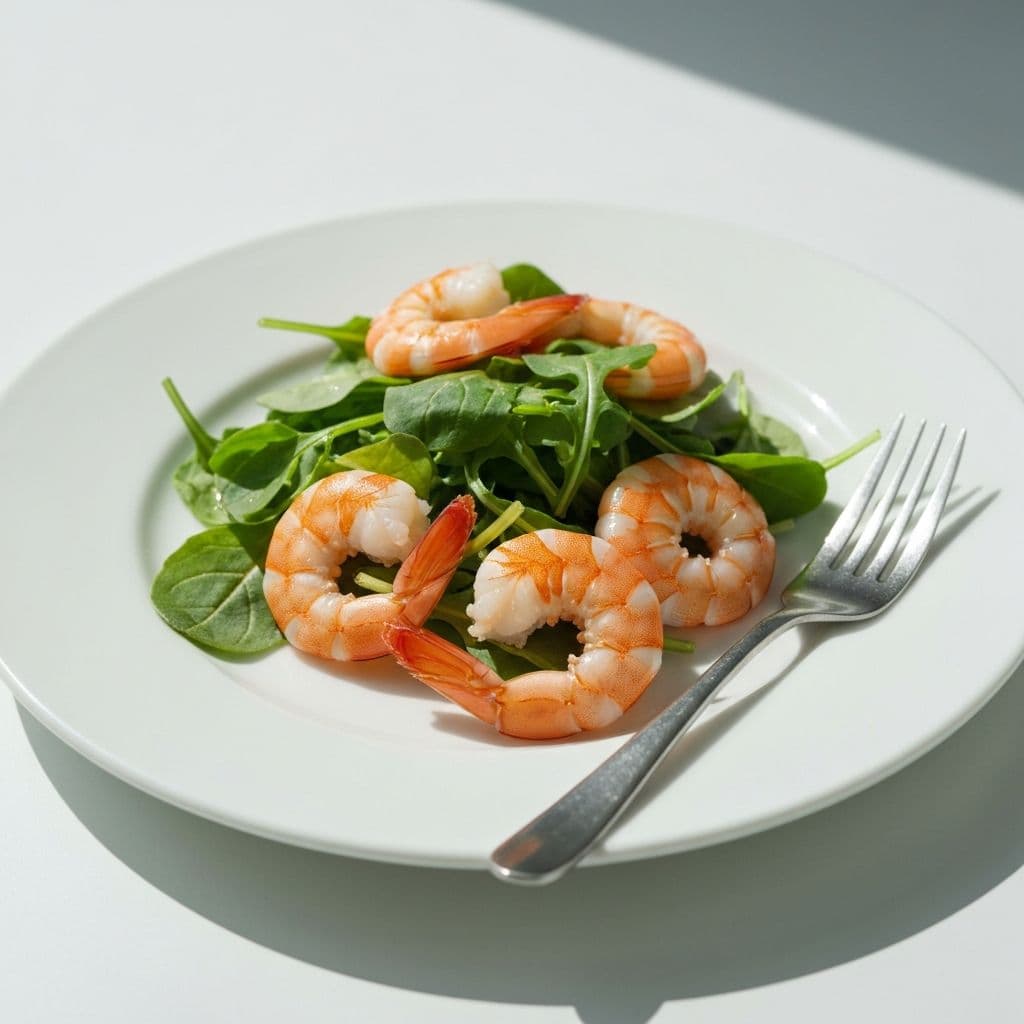
Discover if pregnant women can safely eat shrimp. Learn about nutritional benefits, mercury content, food safety guidelines, and expert recommendations for seafood during pregnancy.
Can Pregnant Women Eat Shrimp: A Complete Guide for Expecting Mothers
Introduction
During pregnancy, nutrition becomes paramount, and expectant mothers often have questions about what foods are safe to consume. One frequently asked question is: Can pregnant women eat shrimp? The answer is yes, pregnant women can eat shrimp, but with important considerations regarding preparation, quantity, and nutritional benefits. Shrimp is a nutrient-dense seafood option that can be part of a healthy pregnancy diet when consumed safely.
Understanding the safety parameters around eating shrimp during pregnancy helps mothers-to-be make informed dietary choices. This comprehensive guide explores everything you need to know about consuming shrimp while pregnant, including its nutritional benefits, potential risks, and best practices for safe consumption.
Table of Contents
- Nutritional Benefits of Shrimp During Pregnancy
- Mercury Content and Safety Concerns
- Food Safety Guidelines for Consuming Shrimp
- How Much Shrimp Can Pregnant Women Eat
- Common Concerns About Eating Shrimp While Pregnant
- Best Preparation Methods During Pregnancy
- Frequently Asked Questions
- Conclusion
Nutritional Benefits of Shrimp During Pregnancy {#nutritional-benefits}
Why Shrimp is Beneficial for Expecting Mothers
Shrimp offers exceptional nutritional value for pregnant women, making it an excellent addition to a prenatal diet when prepared safely. The nutritional profile of shrimp includes:
- Protein: Shrimp contains approximately 20 grams of protein per 3-ounce serving, supporting fetal development and maternal health
- Omega-3 Fatty Acids: Essential for fetal brain development and reducing inflammation during pregnancy
- Selenium: A powerful antioxidant that supports immune function and protects against oxidative stress
- Choline: Critical for fetal brain development and cognitive function
- Vitamin B12: Essential for nervous system development and energy metabolism
- Iron: Helps prevent anemia, a common concern during pregnancy
- Zinc: Supports immune function and proper fetal growth
Fetal Development Benefits
The nutrients found in shrimp directly support critical pregnancy milestones:
- Brain Development: Omega-3 fatty acids and choline promote neural development in the fetus
- Bone Formation: Protein and minerals work together to support skeletal development
- Immune System: Selenium and zinc strengthen both maternal and fetal immunity
- Growth: High-quality protein provides essential amino acids for tissue development
Mercury Content and Safety Concerns {#mercury-content}
Understanding Mercury Levels in Shrimp
One of the primary concerns regarding seafood consumption during pregnancy is mercury content. The good news: shrimp is among the lowest mercury seafood options available, making it one of the safest choices for pregnant women.
Shrimp mercury content comparison:
- Shrimp: Less than 0.01 ppm (parts per million)
- Salmon: 0.01-0.15 ppm
- Shark: 0.96 ppm
- King mackerel: 0.73 ppm
FDA Safety Guidelines
The FDA classifies shrimp as a "best choice" seafood for pregnant women because of its low mercury levels. Pregnant women can safely consume 8-12 ounces (2-3 servings) of low-mercury seafood, including shrimp, per week.
Other Shellfish Considerations
While discussing shrimp, it's important to note other shellfish safety:
- Safe shellfish: Shrimp, canned light tuna, salmon, pollock, catfish
- Limit to 6 ounces per week: Albacore (white) tuna
- Avoid: Shark, swordfish, king mackerel, tilefish
Food Safety Guidelines for Consuming Shrimp {#food-safety-guidelines}
Bacterial Contamination Risks
Food safety is crucial during pregnancy. Raw or improperly cooked shrimp can harbor bacteria like Listeria, which poses serious risks to pregnant women and developing fetuses.
Important safety rules:
- Always cook shrimp thoroughly: Internal temperature should reach 145°F
- Avoid raw shrimp: Sushi, ceviche, and raw preparations should be avoided
- Check expiration dates: Consume shrimp within 1-2 days of purchase
- Store properly: Keep shrimp at 32-35°F in the refrigerator
- Cross-contamination prevention: Use separate cutting boards for raw shrimp
Storage and Handling Best Practices
Proper storage extends shelf life and prevents bacterial growth:
- Store shrimp in the coldest part of your refrigerator
- Keep shrimp in sealed containers to prevent odor transfer
- Freeze shrimp if not using within 2 days
- Thaw frozen shrimp in the refrigerator, never at room temperature
- Discard any shrimp with an ammonia smell
How Much Shrimp Can Pregnant Women Eat {#portion-recommendations}
Recommended Weekly Intake
The FDA provides clear guidelines for seafood consumption during pregnancy. Pregnant women can safely eat 8-12 ounces (two to three servings) of low-mercury seafood per week, including shrimp.
Portion Size Guidelines
- One serving: 3-4 ounces of cooked shrimp
- Weekly maximum: 8-12 ounces total low-mercury seafood
- Frequency: 2-3 times per week is ideal
Balancing Seafood Varieties
Rather than eating the same type of seafood repeatedly, it's better to vary your seafood choices:
- Week 1: Shrimp (3 servings) + Salmon (1 serving)
- Week 2: Shrimp (2 servings) + Pollock (1 serving) + Canned tuna (1 serving)
- Week 3: Shrimp (3 servings) + Catfish (1 serving)
This rotation ensures diverse nutrient intake and minimizes exposure to any single contaminant.
Common Concerns About Eating Shrimp While Pregnant {#common-concerns}
Allergic Reactions
Shellfish allergies during pregnancy:
If you have a known shellfish allergy, obviously avoid shrimp entirely. However, some pregnant women develop temporary food sensitivities during pregnancy.
Signs of allergic reaction:
- Itching or tingling in the mouth
- Swelling of lips, tongue, or throat
- Hives or skin rashes
- Nausea or vomiting
- Difficulty breathing (seek emergency care immediately)
If you're uncertain about allergies, consult your healthcare provider before consuming shrimp during pregnancy.
Cholesterol Concerns
Shrimp contains dietary cholesterol (approximately 189 mg per 3-ounce serving), which concerns some pregnant women. However, research shows:
- Dietary cholesterol has minimal impact on blood cholesterol for most people
- The omega-3 fatty acids in shrimp provide cardiovascular benefits
- Pregnant women's cholesterol naturally increases as needed
- Healthcare providers generally don't restrict shrimp based on cholesterol content
Pregnancy Cravings vs. Safe Consumption
Many pregnant women experience intense cravings for shrimp. While this is completely normal and safe to satisfy, it's important to:
- Maintain variety in your diet
- Ensure proper cooking methods
- Monitor portion sizes
- Balance with other nutrient sources
Best Preparation Methods During Pregnancy {#preparation-methods}
Recommended Cooking Techniques
Safe preparation methods for shrimp during pregnancy:
- Boiling: Place shrimp in salted boiling water for 3-5 minutes until pink
- Steaming: Steam shrimp for 5-7 minutes until fully cooked
- Baking: Bake at 400°F for 8-10 minutes
- Grilling: Grill over medium heat for 2-3 minutes per side
- Pan-searing: Cook in minimal oil over medium-high heat for 3-4 minutes
Methods to Avoid
- Raw shrimp (sushi, ceviche)
- Undercooked shrimp
- Heavily processed shrimp products
- Shrimp from unknown sources
Healthy Recipe Ideas
Incorporate shrimp into nutritious meals:
- Grilled shrimp with steamed vegetables
- Shrimp and vegetable stir-fry
- Baked shrimp with lemon and herbs
- Shrimp pasta with whole grains
- Shrimp soup with nutrient-rich broth
Frequently Asked Questions {#faqs}
Is canned shrimp safe during pregnancy?
Yes, canned shrimp is generally safe if stored properly and used before the expiration date. However, canned shrimp often contains higher sodium levels, so rinse it before consumption and watch overall sodium intake.
Can eating shrimp cause miscarriage?
No, consuming properly cooked shrimp will not cause miscarriage. The primary concern with any seafood during pregnancy is bacterial contamination from raw or undercooked preparations, not the shrimp itself.
What if I'm vegetarian but craving shrimp during pregnancy?
If you've been vegetarian but experience cravings for shrimp during pregnancy, it's perfectly safe to include it now. Pregnancy cravings often reflect nutritional needs, and shrimp's nutrient density can benefit you and your developing baby.
How do I know if shrimp has gone bad?
Bad shrimp displays:
- Strong ammonia smell
- Gray or black spots
- Mushy texture
- Slimy coating
- Any signs of mold
Discard immediately if you notice any of these signs.
Can I eat shrimp from restaurants while pregnant?
Yes, but verify the shrimp is fully cooked. Ask how it was prepared to ensure it meets food safety guidelines. Avoid raw or partially cooked shrimp preparations.
Is frozen shrimp as nutritious as fresh?
Yes, frozen shrimp retains nutritional value comparable to fresh shrimp. Freezing preserves nutrients effectively, making frozen shrimp an excellent, often more affordable option.
Conclusion
Can pregnant women eat shrimp? Absolutely yes. Shrimp is one of the safest, most nutritious seafood options available during pregnancy. With its low mercury content, high protein profile, and rich omega-3 fatty acids, shrimp supports fetal development and maternal health effectively.
The key to safe consumption lies in proper preparationalways ensuring shrimp is thoroughly cooked, maintaining proper storage conditions, and adhering to weekly serving recommendations (8-12 ounces of low-mercury seafood per week). By following these guidelines and consulting with your healthcare provider about any specific concerns, you can confidently enjoy shrimp throughout your pregnancy while providing your developing baby with essential nutrients.
Remember, pregnancy nutrition is about making informed choices that support both you and your baby's health. Shrimp, when prepared safely and consumed in appropriate quantities, is an excellent choice for expecting mothers seeking nutrient-dense, delicious protein sources.