Discover 23 signs indicating childhood Ehlers-Danlos Syndrome. Learn early symptoms, common experiences, and the importance of early diagnosis.
23 Signs You Grew Up with Ehlers-Danlos Syndrome: Recognition and Early Diagnosis
Introduction
Ehlers-Danlos Syndrome (EDS) is a group of genetic connective tissue disorders often undiagnosed during childhood, with symptoms attributed to other causes. Growing up with Ehlers-Danlos Syndrome often goes unrecognized, with 23+ distinctive signs present throughout childhood that retrospectively identify the condition. Understanding these early indicators helps affected adults recognize their experiences and pursue proper diagnosis.
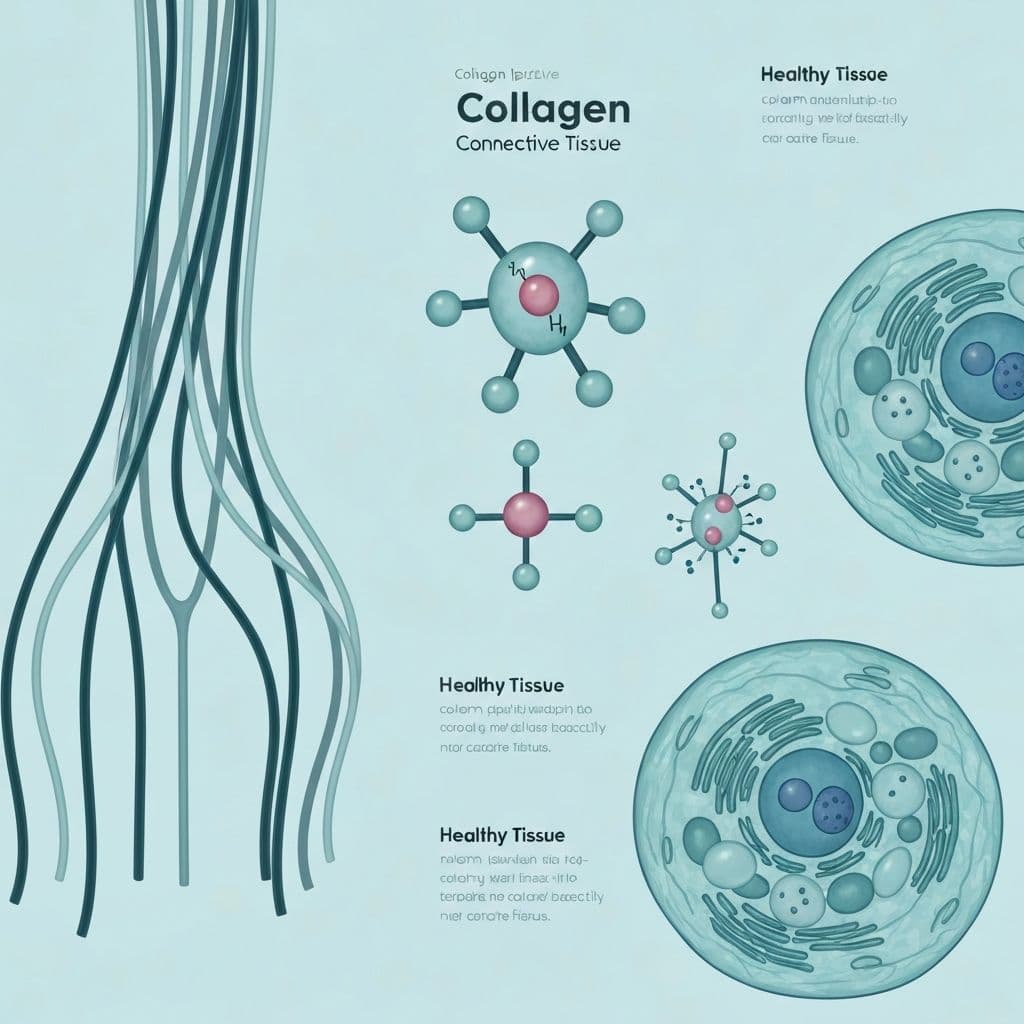
EDS affects connective tissue integrity due to collagen synthesis or processing defects. While some cases present obviously with severe symptoms, many individuals experience subtle manifestations throughout childhood, dismissed as clumsiness, anxiety, or growth-related issues. This comprehensive guide explores 23 signs suggesting childhood EDS, helping you recognize whether this diagnosis might explain lifelong experiences.
Table of Contents
- Understanding Ehlers-Danlos Syndrome
- Signs 1-5: Joint and Mobility Issues
- Signs 6-10: Skin and Tissue Characteristics
- Signs 11-15: Pain and Sensation Patterns
- Signs 16-20: Physical Coordination and Performance
- Signs 21-23: Systemic and Psychological Signs
- Why EDS Goes Undiagnosed in Children
- Seeking Proper Diagnosis
- Frequently Asked Questions
- Conclusion
Understanding Ehlers-Danlos Syndrome {#understanding-eds}
What Is Ehlers-Danlos Syndrome?
EDS is a group of hereditary connective tissue disorders characterized by:
- Collagen defects: Abnormal collagen synthesis or processing
- Tissue fragility: Increased tissue fragility and easy bruising
- Joint hypermobility: Excessive joint flexibility
- Skin hyperextensibility: Loose, elastic skin
- Systemic manifestations: Affects multiple organ systems
EDS Types
Major types include:
Hypermobile EDS (hEDS) - Most common type, 60% of cases
- Primary presentation: Joint hypermobility and instability
- Pain and dysfunction
- Diagnosed clinically without genetic confirmation currently
Classical EDS (cEDS) - Second most common
- Hyperextensible skin
- Joint hypermobility
- Easy bruising
- Genetic mutations in COL5A1 or COL5A2
Vascular EDS (vEDS) - Rare but serious
- Organ and vessel rupture risk
- Shorter lifespan
- Requires specialized management
Other types: Kyphoscoliotic, arthrochalasia, dermatosparaxis (all rare)
Why Early Recognition Matters
Benefits of childhood diagnosis:
- Prevents unnecessary investigations
- Enables appropriate physical activity modifications
- Allows preventive care
- Reduces psychiatric misdiagnosis
- Improves quality of life
- Enables appropriate genetic counseling
Signs 1-5: Joint and Mobility Issues {#signs-1-5}
Sign 1: Unusual Flexibility and Joint Hypermobility
Childhood presentation:
- Extreme flexibility: Bending fingers backward excessively
- Ease of contortion: Unusual ability to fold or twist body
- Impressive party tricks: Always able to demonstrate unusual flexibility
- Easy joint dislocations: Shoulders, hips, and other joints dislocate easily
- Frequent "popping" joints: Audible joint sounds with movement
Why it's unrecognized: Often praised as a positive trait (gymnastics ability, circus tricks) rather than recognized as pathology.
Sign 2: Frequent Sprains and Strains Beyond Normal Injury Rate
Pattern recognition:
- Sprain frequency: Multiple ankle sprains from minor activities
- Repeat injuries: Same joint injured repeatedly
- Injury during routine activity: Injuries from walking, playing casually
- Slow recovery: Takes longer than typical to heal
- Chronic instability: Joint remains "weak" after healing
Attribution error: Often blamed on clumsiness, poor coordination, or being "accident-prone."
Sign 3: Chronic Joint Pain Starting in Childhood
Pain patterns:
- Location: Multiple joints (not just one area)
- Onset: Can begin in early childhood
- Character: Aching, throbbing pain
- Worse with activity: Increases with physical activity
- Better with rest: Improves with inactivity
- Unpredictable: May be bad some days, better others
Misdiagnosis risk: Often attributed to "growing pains" or childhood complaints dismissed as exaggeration.
Sign 4: Difficulty Keeping Up Physically with Peers
Observable pattern:
- Cannot sustain activities: Tires quickly during physical activity
- Avoidance of sports: Prefers sedentary activities
- Slower running: Cannot run as fast as peers
- Early fatigue: Exhausted after normal childhood play
- Needs rest breaks: Requires frequent breaks during activities
Sign 5: Frequent Joint Dislocations Requiring Reduction
Specific manifestations:
- Shoulder dislocations: Most common in EDS
- Self-reduction: Learns to pop joint back in
- Hospital visits: Repeated ER visits for dislocations
- Worsening with growth: Increases during adolescent growth spurts
- Developmental concern: Joint instability worsens over time
Signs 6-10: Skin and Tissue Characteristics {#signs-6-10}
Sign 6: Hyperextensible or "Stretchy" Skin
Physical presentation:
- Unusual elasticity: Skin stretches more than typical
- Ease of demonstration: Can pull skin away from body further than expected
- Smooth appearance: Skin may appear unusually smooth
- Velvety texture: Skin texture different from peers
- Slow recoil: Skin doesn't snap back quickly to normal position
Note: More obvious in classical EDS but subtle in hypermobile type.
Sign 7: Easy Bruising and Slow Bruise Fading
Distinctive bruising pattern:
- Excessive bruising: Disproportionate bruising for minor injuries
- Frequent bruising: Multiple bruises present regularly
- Unexplained bruises: Bruises appearing without remembered injury
- Slow fading: Bruises take weeks to months to resolve completely
- Bruise progression: Bruises change colors slowly
Historical significance: Could lead to wrongful suspicion of abuse if unrecognized.
Sign 8: Poor Wound Healing and Fragile Skin
Healing characteristics:
- Slow healing: Cuts and scrapes take longer to heal
- Tissue friability: Skin tears easily
- Paper-like scars: Thin, paper-like appearance of healed wounds
- Surgical complications: Difficulty with wound closure after surgery
- Skin splitting: Easy splitting with minor trauma
Sign 9: Atrophic Scarring or Unusual Scar Patterns
Scar characteristics:
- Thin scars: Paper-thin, translucent scars
- Pale appearance: Scars remain very pale
- Poor collagen deposition: Inadequate collagen in scar formation
- Depressed scars: May appear as indentations
- Split-skin grafts needed: Surgical wounds may require special closure techniques
Sign 10: Skin Problems Like Molluscoid Pseudotumors
Specific EDS manifestations:
- Soft tissue nodules: Benign nodules on skin
- Usually on joints: Particularly over elbows, knees, hands
- Painless: Typically asymptomatic
- Progressive: May appear or grow over time
- Distinctive finding: Not seen in typical population
Signs 11-15: Pain and Sensation Patterns {#signs-11-15}
Sign 11: Widespread Musculoskeletal Pain Not Explained by Injury
Pain characteristics:
- Multiple body areas: Not localized to one region
- Migrating pain: Seems to move to different areas
- No clear cause: Pain without remembered injury
- Disproportionate pain: Severe pain from minor activities
- Functional impact: Pain affecting daily activities
Sign 12: Chronic Fatigue or Excessive Tiredness
Fatigue patterns:
- Disproportionate tiredness: More tired than peers after similar activity
- Sleep not restorative: Doesn't feel rested after sleep
- Afternoon crashes: Significant energy loss in afternoons
- "Post-activity malaise": Feeling worse the day after activity
- Chronic nature: Present throughout childhood
Sign 13: Sensory Sensitivities or Proprioceptive Issues
Neurological presentations:
- Clumsiness: Unusual clumsiness for developmental stage
- Coordination difficulties: Challenges with fine and gross motor coordination
- Balance problems: Falls or stumbles more than peers
- Proprioceptive dysfunction: Difficulty knowing body position in space
- Sensory processing: May be overly sensitive to touch, textures, or temperatures
Sign 14: Migraines or Chronic Headaches
Neurological manifestation:
- Frequent headaches: More than occasional headaches
- Migraine characteristics: Throbbing, hemipolar, or associated with aura
- Associated symptoms: Light sensitivity, nausea
- Medication resistance: Over-the-counter medications ineffective
- Developmental aspect: May start or worsen with puberty
Sign 15: Mottled Skin or Unusual Temperature Regulation
Vascular manifestations:
- Mottled appearance: Purple, lacy pattern on skin
- Raynaud-like symptoms: Fingers change colors with cold
- Poor temperature regulation: Difficulty maintaining body temperature
- Heat intolerance: Cannot tolerate heat well
- Cold intolerance: Excessive cold sensitivity
Signs 16-20: Physical Coordination and Performance {#signs-16-20}
Sign 16: Inability to Participate in Contact Sports
Practical manifestation:
- Injury frequency: Injuries during sports exceed team average
- Coaching concern: Coaches or parents restrict sports participation
- Persistent pain: Pain from sports participation prevents continuation
- Dislocations during play: Joints dislocate during sports
- Self-limitation: Child chooses to avoid sports
Sign 17: Dental Problems or Delayed Dental Development
Oral manifestations:
- Delayed eruption: Teeth come in later than expected
- Malocclusion: Bite problems
- Gum issues: Bleeding or receding gums
- Loose teeth: More than normal tooth mobility
- Palate issues: High or narrow palate
- Early tooth loss: Teeth lost earlier than expected
Sign 18: Postural Issues or Poor Posture
Structural concerns:
- Poor posture: Difficulty maintaining upright posture
- Slouching tendency: Natural inclination to slouch
- Kyphosis: Excessive spinal curvature
- Forward head posture: Head positioned forward
- Progressive worsening: Posture worsens with growth
Sign 19: Digestive Issues or Gastrointestinal Dysfunction
GI manifestations:
- Irritable bowel symptoms: Alternating constipation and diarrhea
- Reflux or GERD: Acid reflux symptoms
- Abdominal pain: Chronic or recurrent abdominal pain
- Nausea: Unexplained nausea
- Dysmotility: Esophageal or intestinal dysfunction
- Food sensitivities: Intolerance to various foods
Sign 20: Frequent or Recurrent Infections
Immune considerations:
- More illnesses than peers: Catches every cold, flu
- Longer illness duration: Takes longer to recover
- Recurrent ear infections: Multiple ear infections
- Recurrent sore throats: Frequent pharyngitis
- Immune dysfunction: May have immune system involvement
Signs 21-23: Systemic and Psychological Signs {#signs-21-23}
Sign 21: Anxiety or Panic Attacks
Neuropsychiatric manifestation:
- Unexplained anxiety: Anxiety without clear trigger
- Social anxiety: Fear of social situations
- Health anxiety: Worry about health and symptoms
- Panic attacks: Sudden panic episodes
- Phobias: Excessive fears (often of physical activity causing injury)
- POTS/Dysautonomia symptoms: Elevated heart rate, dizziness with anxiety component
Why it develops:
- Repeated injuries create fear of activity
- Chronic pain leads to anxiety
- Dysautonomia symptoms mimic panic
- Undiagnosed medical condition creates psychic distress
Sign 22: Depression or Mood Problems
Psychological manifestations:
- Chronic low mood: Persistent sadness or emptiness
- Anhedonia: Loss of interest in previously enjoyed activities
- Irritability: Unexplained irritability
- Social withdrawal: Isolating from peers
- Hopelessness: Feeling that things won't improve
- Sleep disruption: Insomnia or hypersomnia
Connection to EDS:
- Chronic pain contributes to depression
- Physical limitations causing despair
- Unrecognized medical condition's psychological impact
- Social isolation from inability to participate
Sign 23: Hypermobility Spectrum Disorder Diagnosis or Family History
Diagnostic and hereditary signs:
- Family history: Parents, siblings with joint problems
- Maternal connective tissue issues: Mother had similar symptoms
- Beighton score: Scoring high on hypermobility assessment
- Previous HSD diagnosis: Had been diagnosed with hypermobility spectrum disorder
- Genetic predisposition: Multiple family members with similar issues
- Autosomal dominant pattern: Condition affecting multiple generations
Why EDS Goes Undiagnosed in Children {#undiagnosed}
Common Misdiagnoses
Conditions mistakenly diagnosed instead:
- Growing pains (for joint pain)
- Anxiety disorder (for symptoms, including dysautonomia)
- ADHD (for coordination issues)
- Depression (for fatigue and mood problems)
- Hypochondriasis (for health concerns)
- Juvenile rheumatoid arthritis (for joint pain and swelling)
- Fibromyalgia (for widespread pain)
- Ehlers-Danlos goes unrecognized
Diagnostic Barriers
Why diagnosis is delayed:
- Symptom subtlety: Hypermobile EDS has no obvious stigmata
- Clinician unfamiliarity: Lack of provider awareness
- Variable presentation: Different manifestations in different patients
- Normalization: Attributed to normal variation
- Multiple specialists: Fragmented care prevents integrated diagnosis
- Diagnostic criteria challenges: Clinical criteria without genetic confirmation
- Pediatric focus: Limited pediatric EDS specialists
Missed Opportunities
Times when diagnosis could have occurred:
- Pediatric visit for frequent sprains
- Orthopedic evaluation for joint problems
- Dermatology assessment for skin characteristics
- Rheumatology consultation for joint pain
- Physical therapy for chronic pain
- Sports medicine evaluation
Seeking Proper Diagnosis {#diagnosis}
Steps to Diagnosis
- Recognize pattern: Identify multiple signs from this list
- Comprehensive history: Document symptom timeline and family history
- Beighton score: Assess hypermobility objectively
- Specialist referral: Seek geneticist or EDS specialist
- Diagnostic criteria: Meet established EDS type criteria
- Genetic testing: If available for your EDS type
- Multidisciplinary assessment: Comprehensive evaluation
Finding Specialists
Resources for diagnosis:
- Ehlers-Danlos Society: Provides specialist directories
- Genetic counseling
- Geneticists with EDS expertise
- Rheumatologists familiar with EDS
- Physiatrists with connective tissue disorder knowledge
Frequently Asked Questions {#faqs}
If I had these signs as a child, can I still get diagnosed now?
Yes absolutely:
- Diagnosis possible at any age
- Retrospective diagnosis common
- Many adults diagnosed in their 30s, 40s, 50s
- Genetic testing available for certain types
- Clinical diagnosis criteria sufficient for most types
Are all 23 signs required for EDS diagnosis?
No, diagnosis varies by type:
- Hypermobile EDS: Joint hypermobility plus other criteria required
- Classical EDS: Genetic mutations plus clinical criteria
- Vascular EDS: Genetic mutation confirmation necessary
- Other types: Specific criteria for each
- Not all signs present in all patients
Can EDS cause psychological problems, or is it coincidental?
Both direct and indirect connections:
- Direct: Dysautonomia and neurological involvement
- Indirect: Chronic pain and disability cause psychological effects
- Secondary: Unrecognized medical condition causing psychiatric symptoms
- Real comorbidity: Both medical and psychological treatment needed
What happens after diagnosis?
Post-diagnosis management:
- Physical activity modifications
- Physical therapy and rehabilitation
- Pain management strategies
- Family genetic counseling
- Specialist coordination
- Psychological support
- Adaptive strategies
- Improved quality of life
Conclusion
Growing up with Ehlers-Danlos Syndrome often goes unrecognized, with 23+ distinctive signs present throughout childhood that are attributed to other causes or normal variation. Joint hypermobility, chronic pain, easy bruising, poor coordination, and psychological symptoms are often misinterpreted as anxiety, depression, clumsiness, or growing pains.
Recognizing the full constellation of signs—from obvious hypermobility to subtle sensory issues and systemic manifestations—enables affected individuals to pursue proper diagnosis and appropriate management. If you or your child experienced multiple signs from this list, seeking evaluation by an EDS specialist may finally explain lifelong experiences and enable appropriate care strategies. Retrospective diagnosis, while validating, also allows opportunity for improved understanding and management moving forward.